
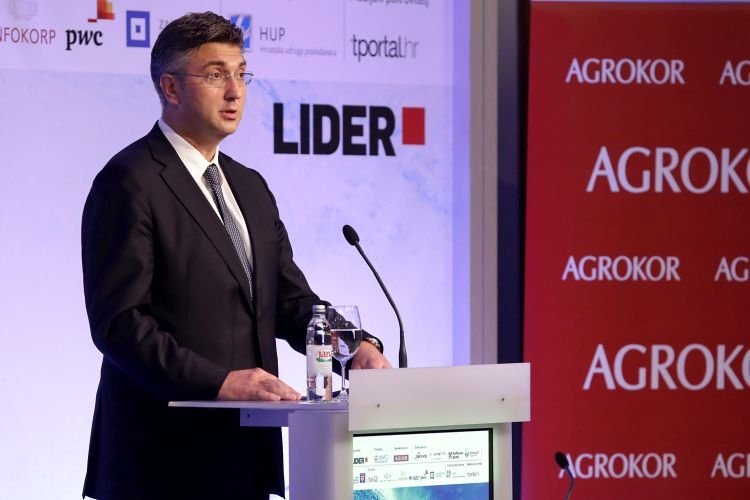
One of the first public addresses by Andrej Plenković, the new Prime Minister designate, is encouraging, particularly at the gathering of entrepreneurs, especially when the goals and direction of economic policy are succinctly presented. However, the implementation of the presented goals is a long and complex process that will not happen by itself, especially not in cutting the deficit and restructuring the overly expensive public administration – both state and local. A much larger and more serious topic is certainly the budget and the introduction of a new taxation system. The guidelines are clear to everyone and were not created without good calculations, but we need to see them in their entirety to be able to make a judgment. The announcements from the unions and their demands for wage increases (in accordance with signed contracts with the state) are not a mitigating circumstance in the efforts to balance the budget and create tax relief for the economy and citizens.
Growth Generators
However, launching ‘growth generators’ to achieve a 5% GDP increase and open 180,000 new jobs requires much more than goodwill and political statements. It requires a clearly defined development strategy (the Industrial Strategy adopted in the Parliament, published in the Official Gazette 126/2014), which I have already written about when this document was discussed and, unfortunately, I was right that it would remain only ‘wishful thinking’, as I have not noticed that any implementing policies and measures have been adopted to bring this strategy to life. Given that it is two years old, it is not outdated, it is methodologically well prepared, and more than aligned with EU guidelines, so where is the problem?
The main deficiency is unclear goals with passing times, implementing measures and policies, and holders. The same government declared 33 strategic projects, of which nine are private, mostly in tourism (7) and energy (2); the rest are infrastructure projects of the state and public companies in infrastructure and energy (one of which is an LNG terminal), and only one is in science and education (as if the same government had not adopted a development strategy). Some of these projects have been initiated, others are at the beginning (miraculously, holders and coordinators have been appointed), so the public rightly expects someone to present the current status of projects worth almost 30 billion kuna. An over-indebted state and its extravagant public companies, along with known sources of financing (‘from EU funds’ is a well-known mantra, as if we do not need part of self-financing) cannot and must not be generators of employment. What remains and what is applied from the Industrial Strategy was visible at one of the last meetings of the technical government where the renovation and construction of one hotel and one campsite were declared strategic projects. Nothing against tourism, but it is a one-way street that does not bring everything necessary for development and industrial renewal and growth of competitiveness.


