Members of the supervisory board of INA could only learn about the details of MOL’s long-term strategy through internet portals, as they were not officially informed about the key document on how the majority owner of the once Croatian oil company will operate by 2030.
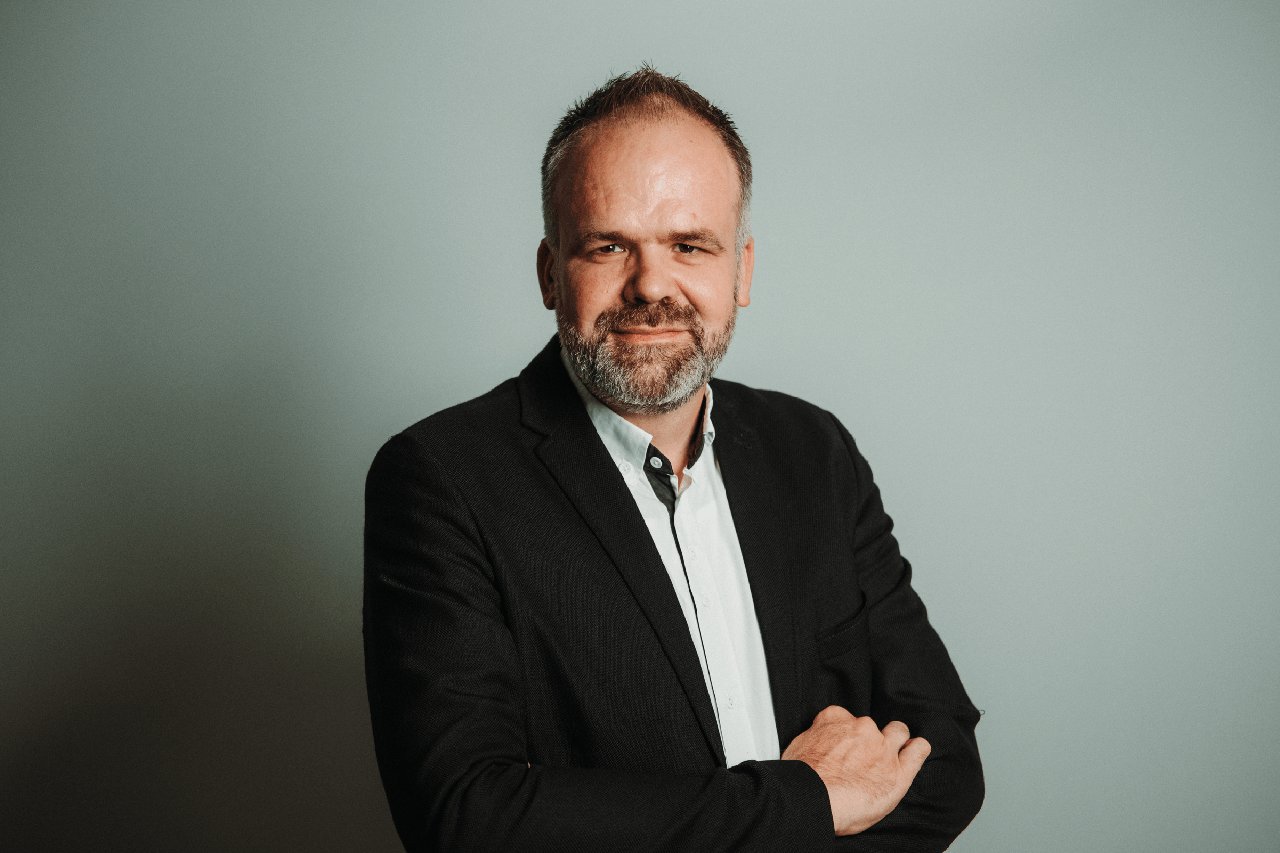
– This sufficiently testifies to the structure of business decision-making in INA, which is more connected to MOL than it should be. Our directors make decisions only after they are agreed upon with MOL’s directors. Therefore, I would really like to see that document (strategy) and to what extent it relates to INA, said Damir Čehić, a member of the INA supervisory board.
The formulation that MOL will: “…continue to manage efficient and profitable refineries” was not commented on by Čehić, as he considers it too general as a lawyer; however, for Davor Štern, it is a clear message from the Hungarian company.
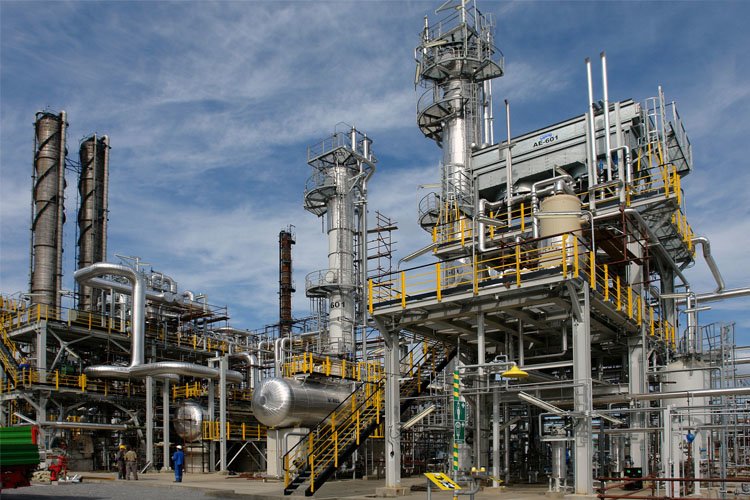
– If the parent company believes it will operate only with profitable refineries, and that is stated, then it means that Sisak no longer exists or will be transformed into something else. I am not inclined to believe that the Sisak refinery will become a biodiesel plant, as such facilities employ about fifty people. When MOL’s strategy mentions diversification of production in this segment, it means that refineries like the one in Sisak no longer exist, explains Štern.