In the ongoing quarter, fiscal spending will be the main topic in the thoughts of investors worldwide. Several central banks have already emphasized that monetary policy can only buy time and that other measures are needed. For instance, in the last quarterly bulletin, the Bank of England surprised everyone by indicating that central bank intervention is not justified. In such conditions, the ball has been passed to the political authority, namely the governments. All international organizations, such as the International Monetary Fund and the G20, have called for an increase in public spending to stimulate economic growth to levels seen before the crisis, as stated by Saxo Bank in their forecasts for the fourth quarter.
The broader global context is favorable for increased public spending. Economic liberalism, which has had an incredible influence on decision-makers over the past 30 years, has been discredited by the global financial crisis, and there is no longer a dominant economic ideology. Moreover, rating agencies that acted as guardians of fiscal orthodoxy are now becoming less important to investors.
– The real incentive for public spending is linked to historically low interest rates for borrowing money. Global credit conditions are the loosest ever, with an average yield on global government bonds, across all maturities, around 0.9 percent. This is significantly below the 10-year average of 2.30 percent. In certain cases, the situation is even more unusual, such as in Germany, where more than 80 percent of the government bond market is at negative rates – emphasizes Christopher Dembik, head of macro analysis at Saxo Bank, explaining that Asia is leading in fiscal stimulus.
Public company investments have increased by 24 percent since the beginning of the year in China to mitigate the decline in private investments. To reduce negative effects, promising measures have recently been announced, including allowing private investors equal access to education and healthcare, inspection checks to ensure projects are indeed being implemented, and investments in infrastructure in rural areas where it is truly needed. In Japan, however, the situation is different, and it is unlikely that the stimulus package will yield the same results as in China. Financially, it is weaker than before and likely only has a temporary effect on increasing industrial production, but the positive contribution will quickly dissipate due to deflationary thinking in companies and households.
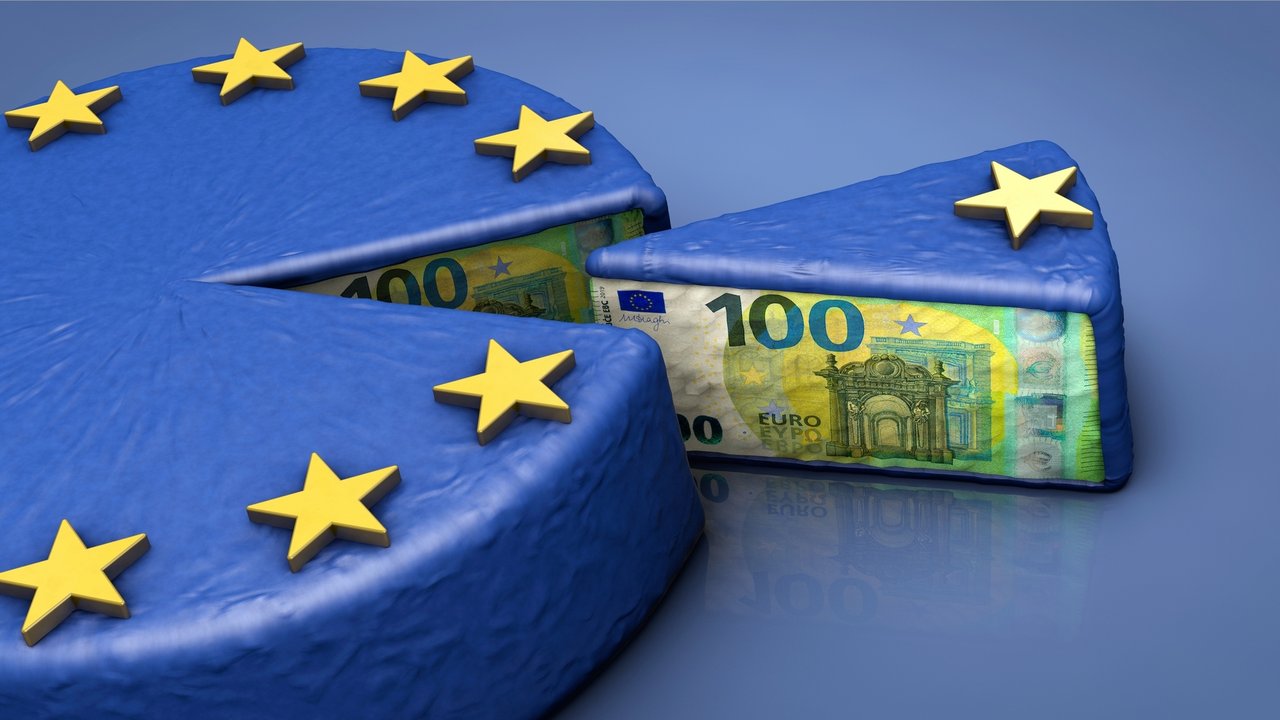
In Europe, there are no such deeply entrenched attitudes as in Japan, and fiscal policy can still yield results. Furthermore, Europe did not wait for the IMF’s green light, and in April 2015, the Juncker Plan began to be implemented. It is on the right track as projects worth 20.4 billion euros have already been approved, with a quarter of that amount allocated for small and medium-sized enterprises, or startups, and the three-year goal is 60 billion euros with the support of the EFSI investment committee.