
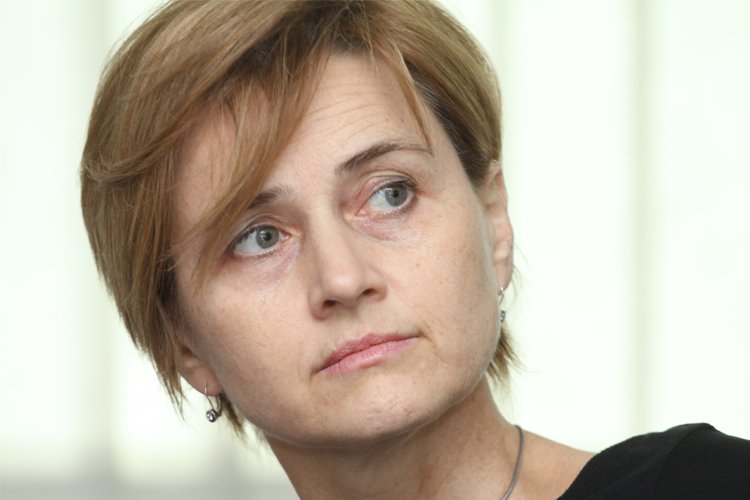
After Zagreb Mayor Milan Bandić announced on Wednesday that he would propose to the City Assembly to change the name ‘mother caregiver’ to ‘parent caregiver’ and that they would receive 5250 kuna net monthly, instead of 3206 kuna, which was previously planned, economic analyst Sandra Švaljek commented on this move.
“Mayor Bandić has confirmed with this new move that he has not been truthful until now when he claimed that the decision made was intended for mother caregivers to receive assistance of 5700 kuna in gross, not net amount. He is now trying to rectify the damage caused by misleading mothers, or parents, and is doing so at the expense of the city budget.
The measure he is now proposing is extremely expensive and it may soon turn out that the city budget cannot bear it. With a net amount of assistance of 5250 kuna, and assuming that about 1000 parents will use the measure, a total of over 92 million kuna would need to be allocated for this measure in the Zagreb budget. (Currently, there is no official data on the number of users of the measure, and the number of 1000 has been reported by the media.)
The amount of around one hundred million kuna exceeds one-tenth of the expenses for the regular operations of kindergartens and corresponds to the amount of expenses for materials and energy in kindergartens. If we know that kindergartens continuously save on consumables, toys, and equipment, it is clear that instead of increasing standards in kindergartens, the city authorities have chosen a populist measure of questionable purpose.


