
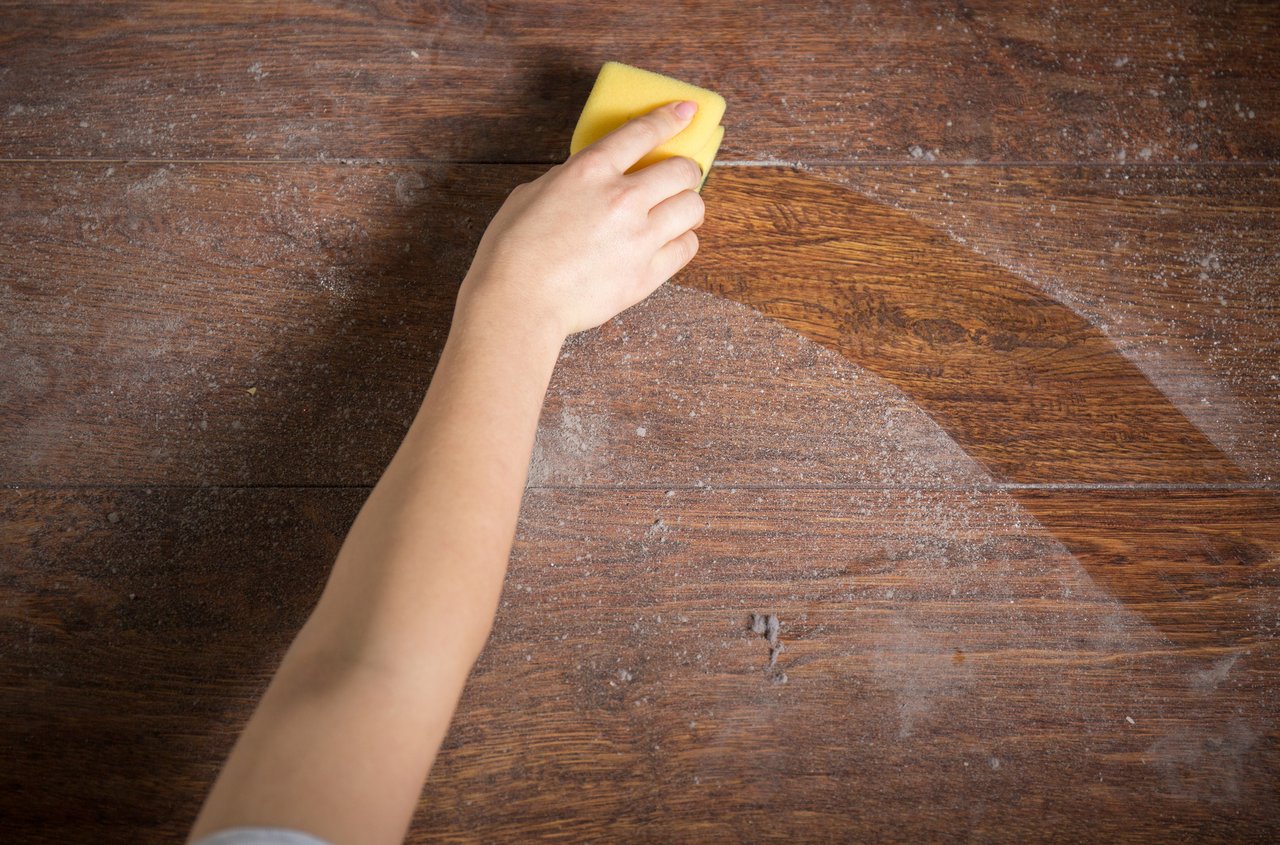
Although the need for tidiness is innate for some, there is still no ‘magic wand’ that cleans, tidies, and rearranges living spaces with a single sweep. It is true that robots for small tasks like vacuuming can be purchased, and we have had washing machines and other ‘dedicated’ household appliances for a long time, but the remaining tasks related to home maintenance are left to the hands, resourcefulness, free time, will, and capabilities of the owner. Today, however, it is much simpler to maintain hygiene in general because the market offers numerous products, both aggressive and non-aggressive, that remove years of accumulated dirt, whiten bathtubs and sinks, and effortlessly eliminate stains and similar issues. They are helpful, but they do not work alone; they need someone’s hands, yours or…
For working women, cleaning, tidying, ironing, and everything that needs to be done to keep the house clean and tidy may be one of the biggest ‘household’ burdens. Help is therefore inevitable, especially for women in more responsible positions who truly do not have time to do these tasks, no matter how much other family members assist them. Most solve this by hiring a permanent or occasional cleaner, but also through service offerings such as carpet and curtain cleaning, window washing, ironing laundry… Today, the use of new technologies significantly saves time for homemakers and facilitates the planning of household chores. There are ‘smart’ washing machines that you can program hours before they automatically turn on and start washing laundry or dishes, ovens that bake and clean and ventilate themselves, refrigerators that alert you to what food you are running low on…
Less ‘Aggressors’
In the USA, at Simmons College in Boston, they established the Center for Home and Environmental Hygiene, which is not only a national but also an international reference center. The founder of the Center, biologist Dr. Elizabeth Scot, did this to raise awareness about the importance of home hygiene, which significantly affects health. The Center promotes cleanliness and a healthy lifestyle through various educational activities, but it is not necessary to be ‘trained’ as a cleaner for a house to shine. Our grandmothers, although they did not have nearly the resources we do today, knew a lot about cleaning; they used various types of vinegar, salt, baking soda, alcohol, and cleaning agents that are now recommended for cleaning to protect the environment and our health. Environmental pollution, not only in industrial zones and large cities but also on agricultural lands due to pesticide use, is so significant that scientists have ‘diagnosed’ over four million chemicals that we breathe, drink in water, or eat in food containing more than three thousand harmful ingredients, and we introduce them into our living space in other ways. Some of these ingredients accumulate permanently in the body. Therefore, it is of utmost importance, regardless of who cleans your home, to use as few aggressive agents as possible.


