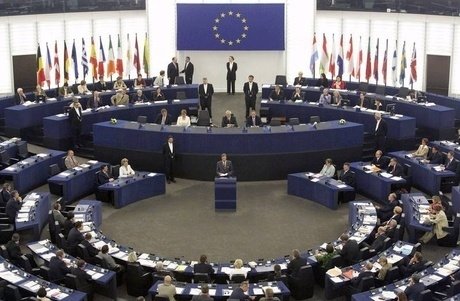
A group of 29 journalists from all EU member states has requested the European Court of Justice to challenge the European Parliament’s refusal regarding access to information on how 751 representatives spend nearly 40 million euros in salary allowances each year.
– We find it very concerning that the European Parliament has no control over how 38.7 million euros of European taxpayers’ money is spent, and it is additionally worrying that the Parliament considers this justified – says Nataša Pirc Musar, a Slovenian lawyer representing the group of journalists.
The court process began in November 2015 when 29 lawsuits (each on behalf of one journalist) were filed with the European Court of Justice seeking the opening of documentation from the European Parliament regarding how much money MEPs receive on top of their salaries in various allowances, including general and travel expenses, per diems, and staff costs. The pan-European initiative for free access to information – the MEP’s project – was formed in June 2015 when journalists representing all EU countries requested access from the EP to information on how, when, and why MEPs spend this money, which the Parliament refused. All requests were denied on the grounds that it would jeopardize the security of personal data and that complying with such a request would cause a lot of additional working hours. Furthermore, the European Parliament claimed it does not possess documents on how representatives spend the allowances they receive on top of their salaries. After the journalists filed their lawsuits, the EP reiterated its arguments, but the journalists demand that this information be made public.
– It is time for the European Parliament, an institution that European citizens should be able to rely on, to face this task and publish the information – said Slovenian journalist and MEP project leader Anuška Delić, adding that she hopes the representatives themselves will pressure the European Parliament to do the right thing.