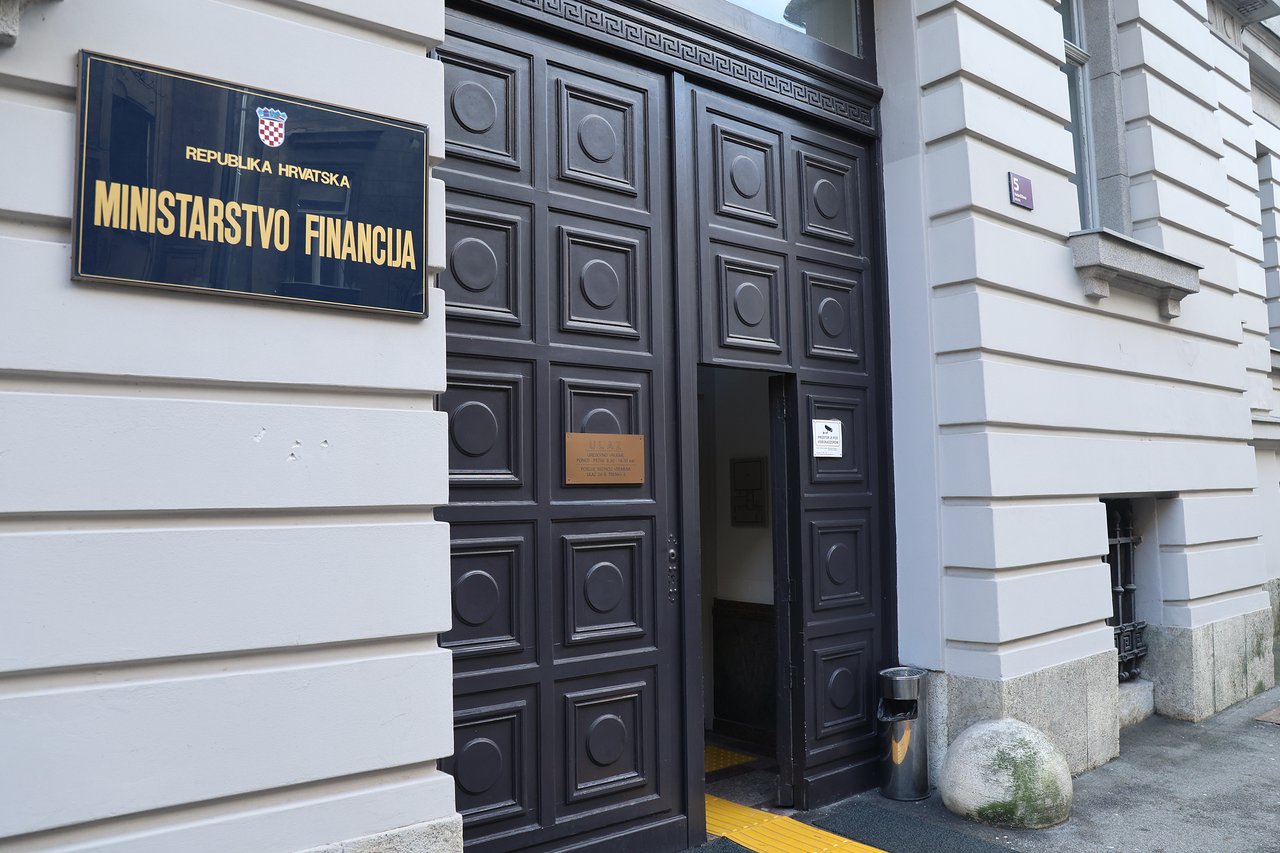
Finance Minister Zdravko Marić and his previously announced tax reform are expected to bring about a reduction in VAT and income tax rates. ‘Tax reform, tax relief, accessibility of the tax system, simplicity, and above all, stability.’ These are the terms the minister uses to describe the upcoming process. Namely, the non-taxable portion of income is expected to increase from 2,600 to 3,700 kuna, and this will also include dependents. This means that if you have a family member you support and an income between 4,000 and 4,500 kuna, you should also not have to pay tax.
Furthermore, the reform is expected to abolish the highest tax rate of 40 percent and introduce a new rate of 36 percent for those whose tax base exceeds 20,000 kuna, while tax benefits for children will remain as they are. However, calculations that have appeared in domestic media suggest that this reform will not bring any benefits to workers with below-average salaries, especially those on minimum wage.
Krešimir Sever, president of the Independent Croatian Trade Unions, claims that the tax reform will not yield results. ‘The government has no plan or vision because before that, they fiddled with health insurance contributions, then they saw they had deepened the hole in the budget, so they reversed it, then they increased VAT, which hit consumption and prices, and with the increase in gas and electricity prices, they hit consumption again. This is just another fiddling with the tax system,’ claims Sever.