
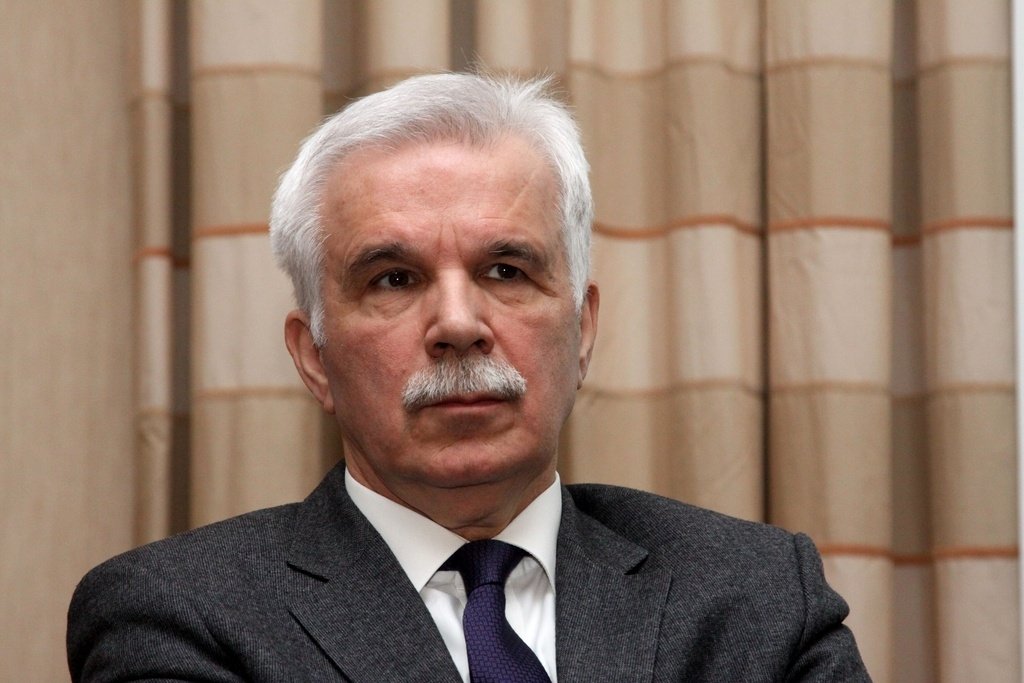
Professor Dr. Mladen Vedriš agrees with the proposal for a comprehensive reform of the tax system recently announced by the technical Minister of Finance, Zdravko Marić.
– The implementation of the announced reform is expected to lead to a short-term budget reduction in revenue, but from a developmental perspective, the reform will stimulate higher rates of economic growth. Ultimately, more taxes will be collected, said economic expert Dr. Vedriš.
– The current Minister of Finance understands the logic of the tax system very well; he is also an educated macroeconomist. Because tax policy is just one of the instruments for stimulating economic growth. By lowering the rates of taxes on labor and capital, economic activities are stimulated, and we become more competitive in the domestic market as well as in the international environment. This stimulates growth, and accordingly, the tax base expands and more taxes are collected. Then, careful steps can be taken to lower the value-added tax as well, our interlocutor explains, adding that if one wants to reap a harvest, one must first carry out the sowing.


