
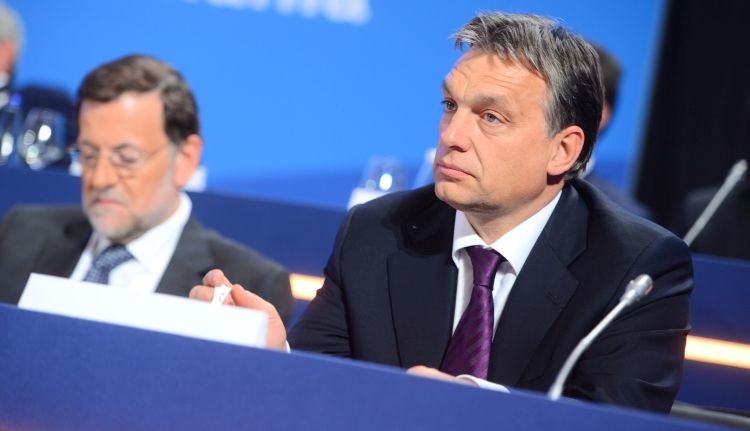
The credit rating agency Standard and Poor’s unexpectedly upgraded Hungary’s status on Friday, elevating it from the “junk” investment zone it had been in for years. The announcement of the rating change came at a time when European leaders gathered in Bratislava to seriously discuss the future and sustainability of the European project post-Brexit, and the move could strengthen Hungarian Prime Minister Viktor Orban, who has upset his international partners since taking power in 2010 by halting cooperation with the IMF, resisting the adoption of austerity measures, pressuring banks and the financial sector, and recently taking a firm stance on accepting economic migrants and refugees.
Citing improved growth expectations, fiscal and external factors, S&P raised Hungary’s rating from BB+/B to BBB-/A-3 with a stable outlook. The move immediately strengthened the forint and is expected to reduce borrowing costs as some investors redirect funds into local assets. The agency assessed that Hungary’s economy, fueled by domestic consumption, could grow at an average rate of 2.5 percent annually in the coming years, with a decline in public debt expected from 75 percent in 2015 to around 70 percent of GDP by 2019.
– Hungary’s external financial profile, which has significantly improved since 2009, will remain strong – the agency stated, estimating that “employment and disposable income growth will likely continue to drive private consumption growth.”


