
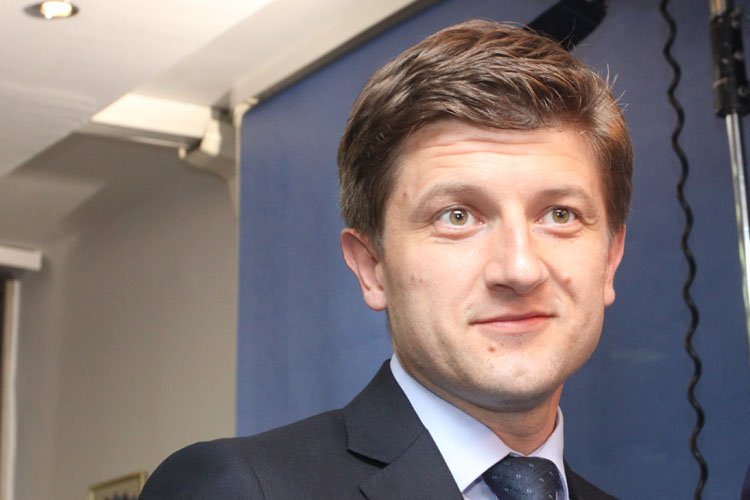
Technical Minister of Finance Zdravko Marić stated in an interview with Večernji list on Saturday that the goal of the planned tax reform is to increase the disposable income of citizens and reduce costs for the economy and households.
“The relief of wages and the increase of the non-taxable portion of income to 3,700 kuna, as well as the expansion of tax brackets and the reduction of the highest income tax rate, which will apply to incomes above 20,000 kuna, is part of a comprehensive and holistic tax reform,” emphasized Marić.
The changes in the income tax system aim to increase the disposable income of the majority of citizens, including, he pointed out, highly educated individuals in shortage professions, such as doctors, engineers, and IT specialists, who are leaving Croatia in significant numbers to find well-paid jobs in other EU countries.
Marić also announced a reduction of the general corporate tax rate from 20% to 18%, while farmers, craftsmen, and small entrepreneurs, whose annual income does not exceed 3 million kuna, would pay corporate tax at a rate of 12%.
“We intend to reduce the general VAT rate by 1 percentage point, but additionally, when conditions are met, that is, when the GDP growth rate is even higher. In doing so, we will redefine goods and services to which the reduced VAT rate applies,” said Marić.
Furthermore, to reduce costs for the economy and households, especially for the most vulnerable citizens, a reduced VAT rate is planned to be introduced on certain utility services, primarily on the supply of electricity.
In addition to these, dozens of changes in the tax system are planned, which will make it more accessible and understandable, thereby facilitating matters for citizens and entrepreneurs.
The proposals for the laws on this matter are already mostly ready, says Marić, and the plan is for all legislative activities to be completed as soon as possible, so that their implementation can begin on January 1, 2017.
Marić also reflected on the state budget for the next year, which he sees as a turning point where Croatian public finances need to continue the positive trend from 2016, which is why the country should exit the Excessive Deficit Procedure and finally improve its credit rating.
Therefore, he emphasized, the focus in 2017 will also be on controlling the expenditure side of the budget.
“Our plan is to reduce the general government budget deficit to 2% of GDP in 2017, which would further contribute to reducing the share of public debt in GDP,” said Zdravko Marić, among other things, for Večernji list.
According to recently published data from Eurostat, Croatia’s public debt amounted to 288.35 billion kuna at the end of the first quarter, 4.7 billion kuna less than a year earlier, representing the first annual decline in public debt since these data have been tracked.
According to the report from the European statistical office, the share of public debt in gross domestic product (GDP) was 85.8% at the end of the first quarter, while a year earlier it was 89.1%.


