
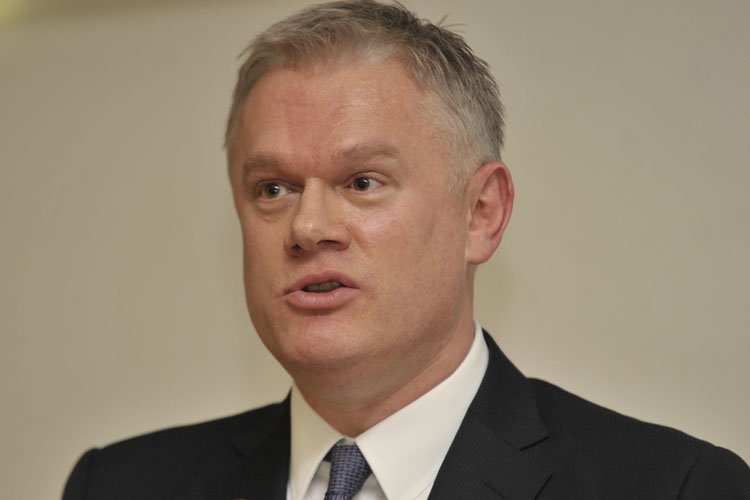
In Croatia, an increasing number of companies will utilize outsourcing, and in the next ten years, the existing differences between Croatia and EU countries in this regard will diminish, commented Darko Tipurić, a full professor at the Faculty of Economics in Zagreb, on the results of research conducted by the companies Cronata and BNB Sklad.
Professor Tipurić is not surprised that outsourcing is becoming an increasingly attractive business model for Croatian companies because, he says, it is a global trend, and these trends are irreversible; once they start being implemented, there is no turning back. On the other hand, with outsourcing, a company can focus more on what constitutes its core competencies and what makes it competitively specific and better than others.
When comparing Croatian outsourcing practices with foreign practices, a significant difference can be observed.
– Large corporations abroad try to externalize everything that is not core business. Thus, everything except for core business processes and core competencies is subject to outsourcing. In our case, these markets are closed; there simply isn’t enough supply. However, various types of services will begin to be offered in the near future.
According to the results of research, the most requested services are professional cleaning and maintenance services, IT, external security, accounting services, and marketing and public relations agency services, while the least requested are outsourcing for procurement, sales, and administrative tasks.


