Just three years ago, it was hard to believe that central Dalmatia would become one of the most desirable European cycling destinations. Split-Dalmatia County had no marked cycling paths, no infrastructure, trained bike guides, or accommodation for cyclists. However, thanks to the ambition of the county’s tourist board and the Cycling Association of Dalmatia, along with cooperation from local tourist boards and local government, 77 paths totaling 2,700 kilometers were realized in record time. The cycling paths are marked on four cycling maps and on the central cycling tourism website of Split-Dalmatia County in four languages.
The Ministry of Tourism co-finances beaches, visitor centers, and cycling tourism
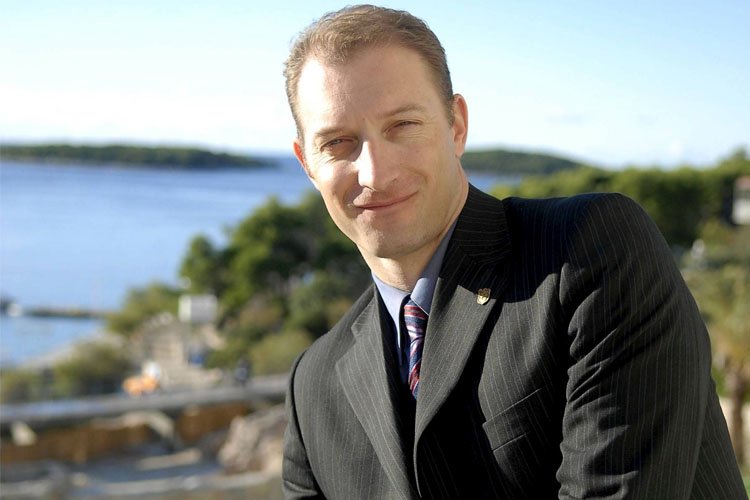
– Everything started with the development of the Cycling Tourism Development Strategy and the Regulation on the Development of Cycling Tourism and Marking of Paths in Split-Dalmatia County. At that time, our goal was to reach Istria in cycling tourism, which we have now achieved – after less than three years. However, they reached that level in 15 years with several employees and an agency dealing with cycling tourism, while we accomplished it in five times shorter time, with volunteers and very little funding, emphasizes Joško Stella, director of the Split-Dalmatia Tourist Board.
The realization of cycling paths began in the Dalmatian hinterland, which in the areas of Sinj, Trilj, Vrlika, Dugopolje, and Klis has a total of 30 cycling paths with a length of 800 kilometers. This was followed by the Makarska Riviera, which has six cycling paths with a length of 250 kilometers. Then, Hvar received 13 cycling paths with a length of 450 kilometers, followed by Brač – which, with 25 paths totaling 1,050 kilometers, is the island with the largest number and length of cycling paths in Croatia and is among the leaders in the world. In the area of Vrgorac in the Dalmatian hinterland, three paths with a length of 150 kilometers have already been marked, and the project is expanding to the Imotski area.