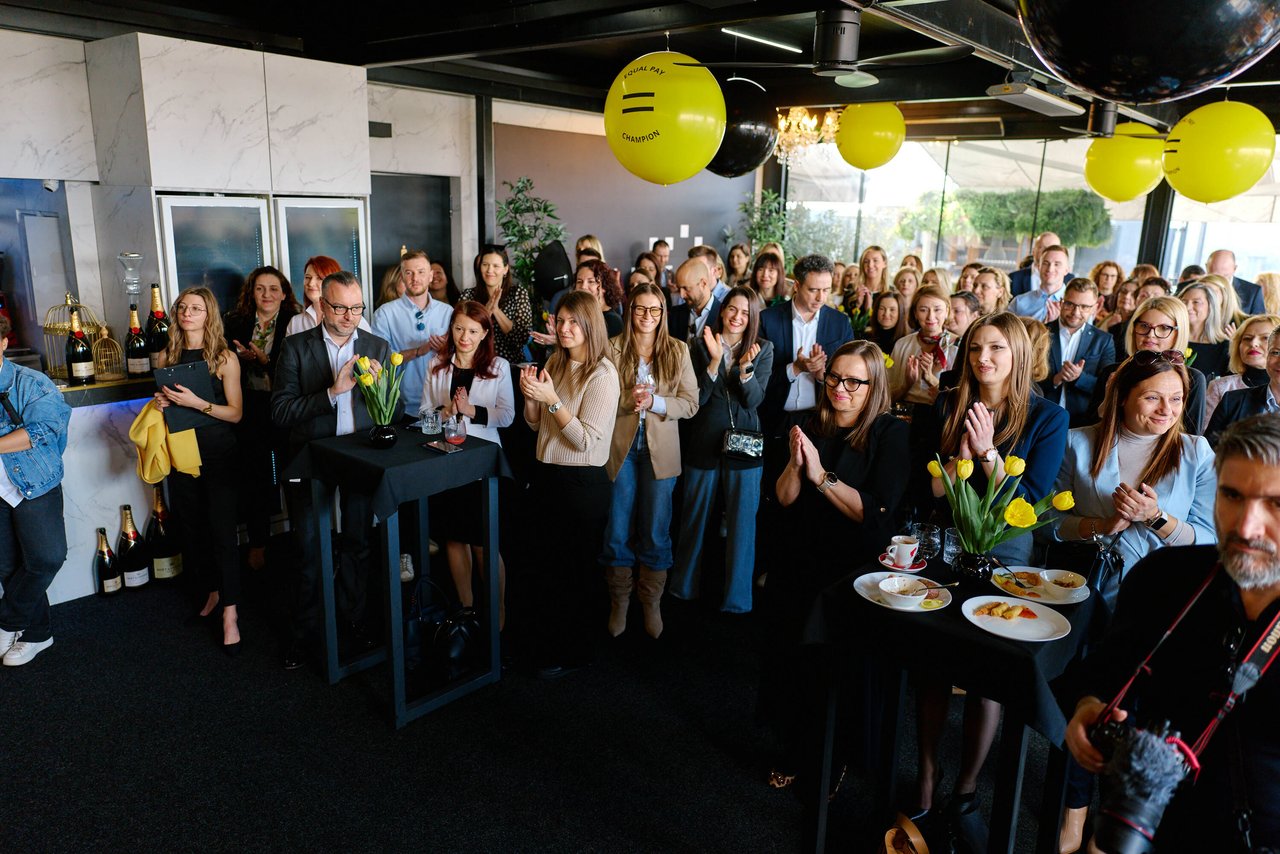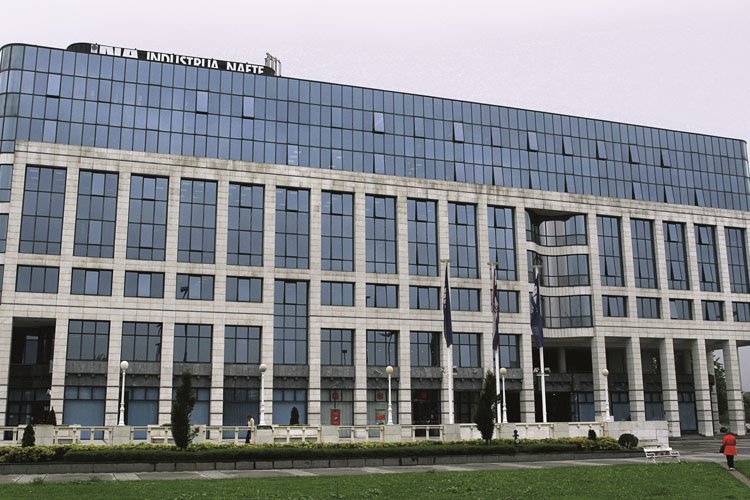
In the premises of the Croatian Journalists’ Society, organized by the Oil Industry Union, INA’s largest union with over six thousand members, a round table was held with the aim of obtaining agreements from representatives of political parties on what future they envision for INA. According to what was said, there seems to be a prevailing opinion that the management approach for INA should be changed and that it should be returned to Croatian ownership. Speaking on behalf of the People’s Coalition, Siniša Hajdaš Dončić assessed that there are realistic prospects for regaining ownership of INA through the purchase of MOL’s shares with a loan that INA would repay itself. He supported arbitration for the purpose of returning INA to Croatian ownership, as he believes that MOL has grossly violated contracts. In his opinion, the main prerequisites for success in this, as well as in macroeconomics in general, are political stability and finding a mutually acceptable solution.
HDZ representative Goran Marić finds it strange that those who sold INA now want to buy it back, concluding that this is “either a bad sale or a preparation for a bad purchase.” He stated that MOL is not a strategic partner and that, when selected, elements of the contract offered to all interested bidders were subsequently changed. He expects that the biggest problems could arise when and if MOL decides to sell INA’s shares, emphasizing that the truth about the sale of the oil field “White Nights” in Syria must be uncovered. He stated that Croatia has not done enough to protect its interests and must not be inferior to its strategic partner.
Regarding the modernization of the Sisak refinery, Marić asserted that this is a contractual obligation that is not up for discussion, and Croatia cannot agree to MOL deciding which refinery is profitable and which is not. Optimism about the resolution of the situation regarding INA is based on the fact that there are numerous examples of MOL’s contract violations.
Dario Čehić (Most) believes that options cheaper than taking a loan to buy MOL’s shares should be considered, as it would be more profitable to find a strategic partner who would not be interested in closing INA, where Croatian interests would be better protected. He stated that the “pathological” management approach of INA must change, as most management decisions are made in Budapest, resulting in a decline in INA’s revenues and an increase in MOL’s. INA is too important for Croatia and its economy, emphasized Čehić, who believes that Croatia has not utilized all the opportunities available to it.