
Have excessive excise duties led to registered producers of fruit rakija and liqueurs, who pay excise duty and VAT on their products, being placed in a very uncomfortable situation, while on the other hand, the gray market is flourishing? The Excise Duty Act, when referring to a “small producer of strong alcoholic beverages,” implies a natural person who produces alcoholic beverages for personal use, in quantities not exceeding 20 liters of pure alcohol per household annually. Each such person is required to report their production for personal use to the competent customs office and register in the excise duty payer register, and pays an excise duty of 100 kuna if they distilled rakija in a still with a capacity of 40 to 100 liters, or 200 kuna if it is a larger still. In the event that total production for personal use exceeds 20 liters of pure alcohol, or 50 liters of 40% rakija (16 degrees) annually per household, the small producer is obliged, in addition to the annual flat rate, to pay an excise duty of 53 kuna per liter of pure alcohol for production above the allowed 20 liters of pure alcohol.
Will Excessive Excise Duties Cause a Shortage of Rakija?
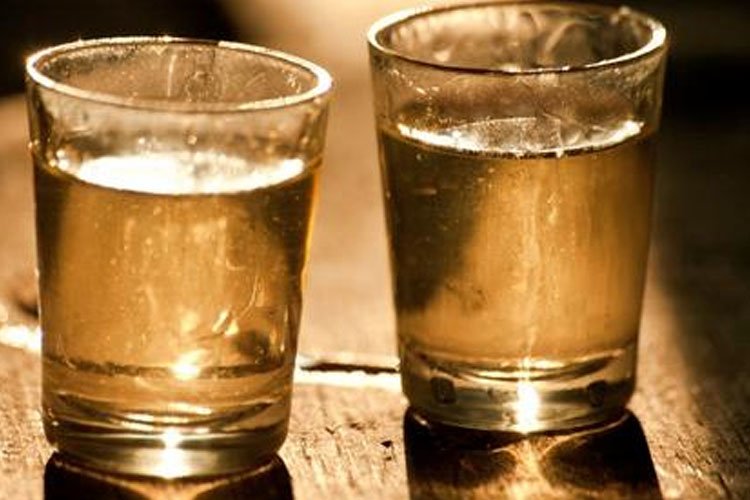
When a producer operating in the market adds VAT to all these charges per liter of fruit rakija, its price, along with the minimal profit they will achieve, reaches one hundred kuna, writes Glas Slavonije. On the other hand, a liter of similar rakija is sold illegally for 35 or 40 kuna. It is clear that a registered, legal producer is not competitive. Because of this, registered producers of fruit rakija and liqueurs in Slavonia and Baranja, which is rich in fruit and has a centuries-old tradition of rakija production, can be counted on one hand. Data shows that from one hectare of plums, about 1500 liters of rakija can be produced, and excise duty accounts for as much as 43 percent of the cost structure in its production.


