
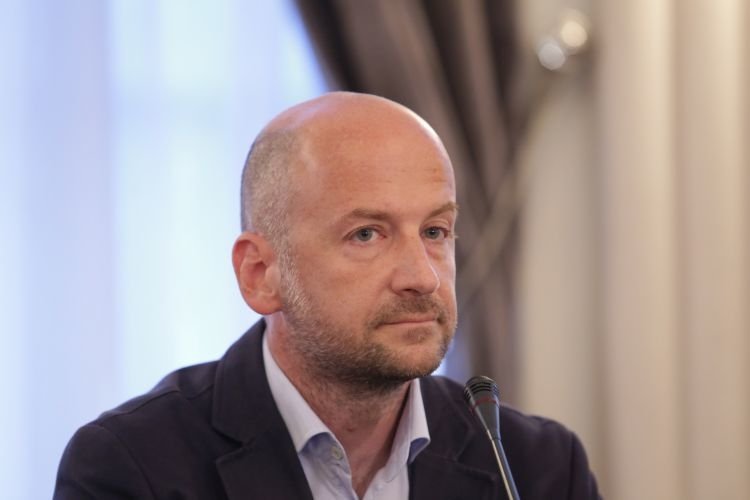
‘Export competitiveness of Croatia in the electoral programs of political parties’ is the title of today’s debate held in the hall of the Croatian Journalists’ Association in Zagreb, where representatives of leading Croatian political options answered questions related to the economic future and were given the opportunity to present their economic programs in a short format. The debate organized under the auspices of TV N1 featured prof. dr. sc. Branko Grčić (People’s Coalition), mr. sc. Ivana Maletić (HDZ and partners), prof. dr. sc. Marinko Škare (Most Independent Lists), prof. dr. sc. Ljubo Jurčić (Coalition “For the Prime Minister”), Niko Delić (Coalition “The Only Option”), dr. sc. Boris Sabatti (IDS) and Krešimir Bubalo (HDSSB), with Nataša Božić Šarić serving as the moderator.
When asked about GDP projections for the next four years, the most optimistic views came from Ljubo Jurčić and Ivana Maletić, representing the coalitions ‘For the Prime Minister’ and HDZ.
Jurčić announces a ‘Chinese growth’ of 7 percent by 2020, while Maletić forecasts growth of 2.7 percent in the first year, rising to 4 percent by 2020. Grčić is slightly less optimistic, predicting GDP growth just above 4 percent over four years, and 2.5 percent in the first year if his option wins. Most is somewhere in between with projections. Škare predicts growth of 2.39 to 4 percent, while Sabatti claims that announcing growth of 7 percent is extremely unrealistic.
Sabatti also emphasized the importance of utilizing EU funds and believes there is a need for greater financial assistance to small and medium-sized enterprises, while Bubalo, who focused exclusively on the problems of Slavonia, stated that it is not fair that ‘colleagues from Istria receive greater incentives than we do in Slavonia.’
– We have reduced the deficit from 7.5 percent to 3.2 in the last year. We have stopped the growth of public debt, and we are the only ones who know how to continue in that direction, Grčić stated during the debate.


