Home / Business and Politics / Decline in oil exploitation revenue increased Scotland’s deficit to £15 billion

Decline in oil exploitation revenue increased Scotland’s deficit to £15 billion

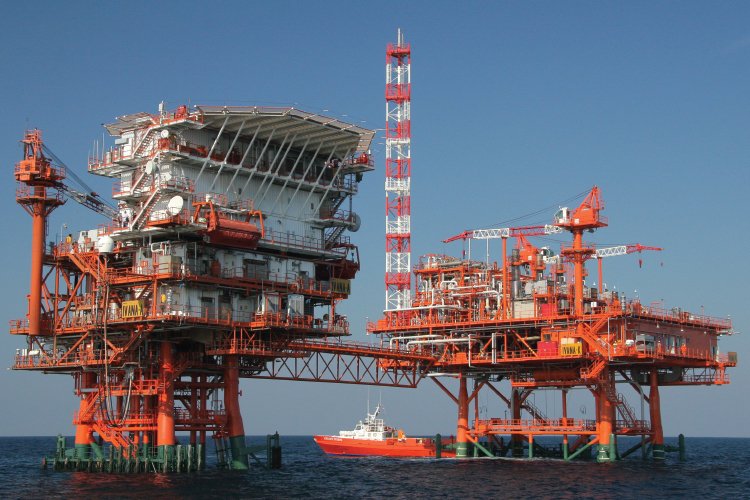
According to a new report on Scotland’s revenues and expenditures (GERS), the country’s deficit has risen from 9.1% to 9.5%, which is more than double the total deficit of the United Kingdom, which stands at 4%. This has been significantly contributed to by the decline in North Sea oil revenues, which plummeted from £1.8 billion to £60 million between 2015 and 2016. This means that revenues from North Sea oil exploitation fell by 97% in one year! As a result, Scotland is in a deficit of approximately £15 billion.

– In fact, the data shows what has been clear for years. The future of the Scottish economy will depend on ceasing reliance on oil and gas and beginning to invest in 21st-century industries, concluded Patrick Harvie, spokesperson for the Green Party.

The First Minister of the country Nicola Sturgeon believes that the foundations of the Scottish economy remain strong, but the drop in oil prices has taken its toll – offshore revenues have decreased, and this has affected the current fiscal situation, reports Herald Scotland.

– This only supports the fact that Scotland faces the challenge of continuing to develop its onshore economy, Sturgeon said, adding that the long-term economic success of the country is directly threatened by the consequences of Brexit.

– Today’s figures come a day after an analysis by the Scottish Government which showed that Scotland’s exit from the EU, from the world’s largest single market, would make the growth of the Scottish economy an even more difficult task, stated the Scottish First Minister.

A brief overview from the financial report (GERS)

  • Onshore revenues in Scotland increased by £1.9 billion.
  • The consumption deficit is around £15 billion, and £14.8 billion more was spent than was collected in taxes.
  • Public sector revenue, including the share of North Sea revenue, is estimated at £53.7 billion (£10,000 per person, which is £400 less than the average in the United Kingdom).
  • Public spending amounted to £68.6 billion (9.1% of total public spending in the United Kingdom). This is £12,800 per person, which is £1,200 more than the average in the United Kingdom, whose current consumption deficit is £75.3 billion.

Scottish Labour leader Kezia Dugdale considers this data a wake-up call for all those who want a new independence referendum and emphasizes that Scotland benefits from sharing resources within the United Kingdom.

Independent or not, Scotland will have to rethink its new economic direction as it seems that the oil industry has reached its end.