
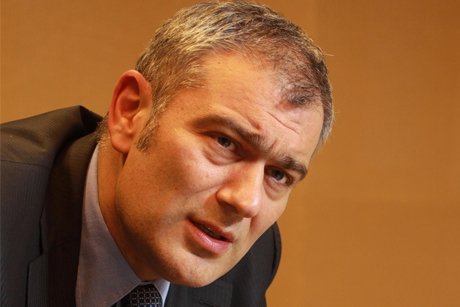
The CEO of Atlantic Group, Emil Tedeschi, stated on Thursday in Dubrovnik that Croatia needs reforms because the economic model is unsustainable, and that the government should reduce or break the resistance of interest groups, noting that we live too well in relation to how much we earn.
Before a guest lecture for students at the University of Dubrovnik, Tedeschi emphasized in response to journalists’ questions that while everyone is declaratively in favor of changes, there is often resistance when it comes to their implementation.
– Croatia needs changes and reforms. Declaratively, people and political parties are in favor of changes, but when certain changes are proposed, they encounter resistance from interest groups. This resistance should be reduced through dialogue, and some things need to be broken. Everyone will be against corruption and illegal behavior, but there are a whole range of ways in our society that have become entrenched and need to be changed. The old government proposed some meaningful things, and this government is proposing some meaningful things as well. Remember the proposal for the monetization of highways, and the new government is proposing the monetization of frozen assets. As soon as this was mentioned, voices were raised, and there were threats of leaving the government if privatization begins, said Tedeschi.
– Politicians within one interest group cannot agree. This economic model is unsustainable for Croatia. We spend too much in relation to what we create. We live too well in relation to how much we earn. Some changes will also be painful, but they must start happening as soon as possible. People need to be explained what will be more expensive and why, he emphasized.
Milanović’s government was not brave enough in reforms
When asked how successful Milanović’s government was in ‘breaking’ in relation to this government and at the request to comment on possible privatizations of state companies, Tedeschi responded that Milanović’s government was successful in insisting on legality and reducing corruption, but not in implementing reforms.


