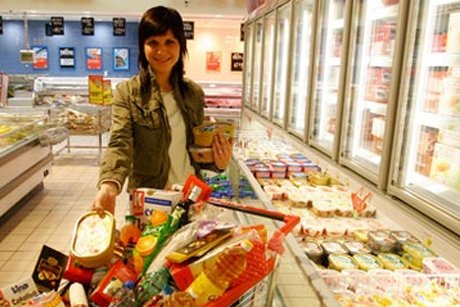
Fees for shelf placement, fees for general shelf arrival, fees in case of product theft, fees for product destruction after expiration – these are just some of the payments that Croatian manufacturers must make to retailers, primarily large retail chains, which significantly increase the product price.
As manufacturers reveal, at least 30, up to as much as 80 percent of the price of their products in stores consists of discounts, or numerous levies they must pay to retailers to keep their products on the shelves. For this reason, manufacturers do not want to talk about it publicly, as they fear being removed from stores, but they admit that retailers “skin them to the bone,” which only the state can put an end to with its sanctions. They add that it is not the state, or its high levies, that is so guilty for expensive products in stores, but rather the levies imposed by the retailers themselves.
Thanks to the support of Most, some of the leading Croatian food manufacturers reveal, manufacturers participated in drafting a law that could soon ban such unfair trading practices. The law has been written, Novi list learns, and is expected to soon come to a meeting of the narrower cabinet of the Government, from where it should be sent into further legislative procedure.
Unfair trading practices are the result of an atmosphere of fear, in which the weaker contractual party fears the termination of the business relationship with the stronger party. A typical example is the threat of removing products from the offer, which large retailers use to directly or indirectly extort various forms of unjustified and unilateral benefits from manufacturers or food suppliers. As some manufacturers reveal, one of the absurdities is that they must pay the retailer a fee in case the product is stolen from the store. Thus, the retailer, who should bear the consequences of the theft, actually profits at the expense of the manufacturer, as only a small part of the product is stolen.