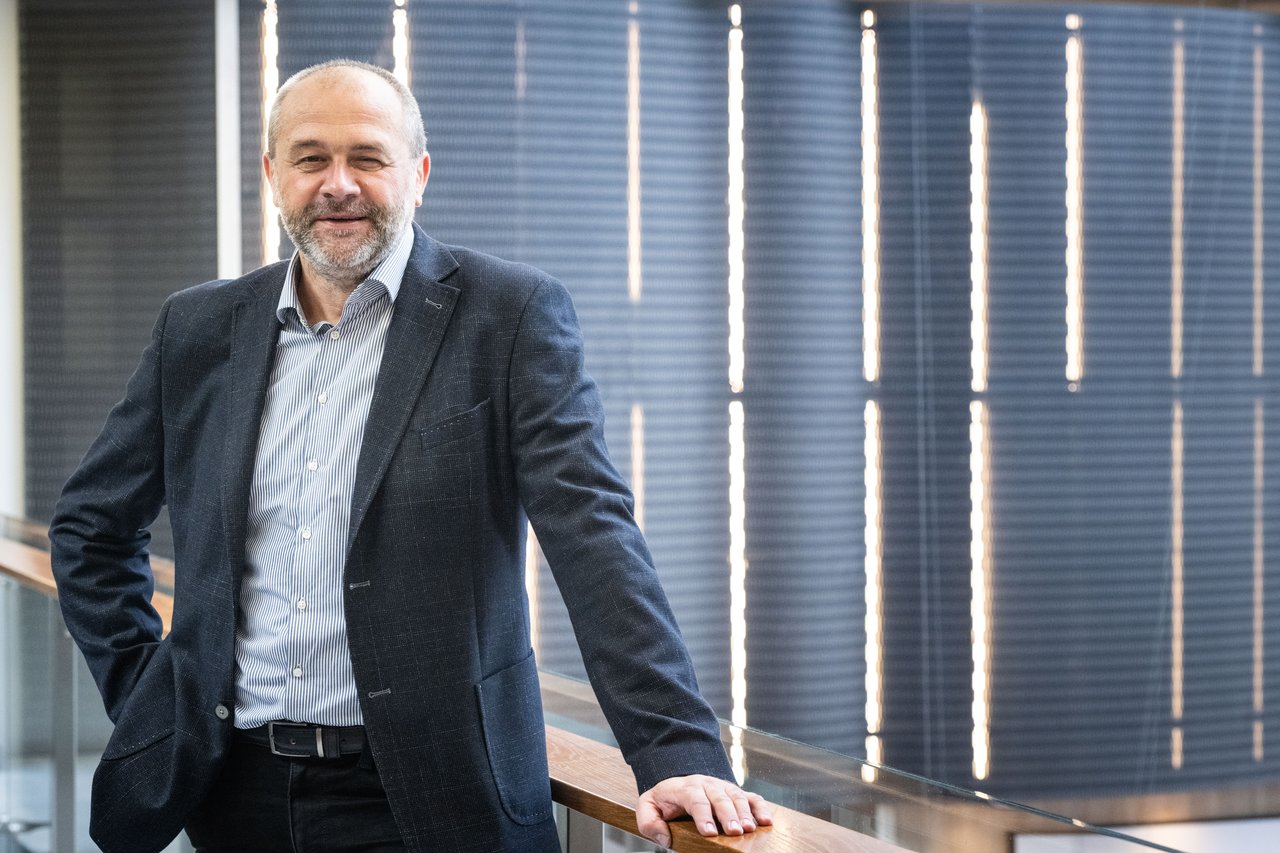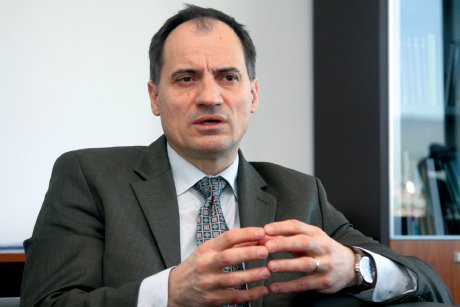
Calm, prudent, self-assured, and confident in what he says, does, and implements. This is the impression one gets in a conversation with the Minister of Environment and Nature Protection from the Most party, Slaven Dobrović. He is working diligently on a new waste management system – changing, revising, and integrating the requirements of the recently proposed EU package on circular economy.
Because, as he himself emphasizes, ecology and economy go hand in hand. Some greet him in his greener turn, while others attack or resist him. However, with the waste sector, this is almost inevitable.
• You are changing the waste management policy. What phase are you in?
– We are currently developing a waste management plan from 2016 to 2022, and we are doing this urgently. We are introducing three key measures: home composting, a separate collection and sorting system, and reuse centers. All these measures can be co-financed with EU funds as they align with the principles of circular economy. The remaining part of the waste, but no more than 25 percent, would be processed in waste management centers. This is the main difference compared to the previous waste management policy, which required at least 75 percent of waste to reach the centers, creating a significant additional cost for citizens. The development of the plan will also be accompanied by action plans for implementation, which we will adopt in cooperation with cities and municipalities, clearly defining steps and deadlines. We want to establish a partnership because the goal is the most successful implementation of measures, which directly protects the interests of citizens. Among these measures, reuse centers may not have been recognized until now. This is a system aimed at preserving the functional value of items that citizens discard. When cleaning basements and attics, moving, changing furniture, or simply needing something new, citizens discard items such as white goods, electronic equipment, various household items, toys, etc. In the centers, items are received, inspected, repaired if necessary, and their usability is assessed. They can be sold or used in social assistance programs. We are also working on amendments to the Law on Sustainable Waste Management, which requires a bit more work. The goal is to simplify the system and make it more effective.