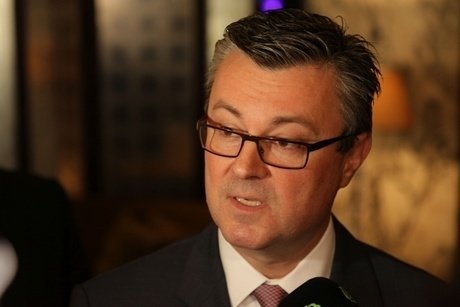
When 2016 is described in Croatia, it will, very likely, be the year of waiting. First, there was the wait for the new government to be voted in the Parliament. Then, after the vague program of the appointee Tihomir Orešković, there was the wait for the budget proposal for 2016. From which the commitment of the Patriotic Coalition and Most to radical reforms was to be seen. After the soft budget was accepted, the deadline for the preparation of the national reform and convergence program was awaited – a homework assignment that the European Commission requires from countries like Croatia.
The program is expected to be accepted next week. However, the waiting does not end there. There is a continuous wait for the unstable government of HDZ and its satellites and Most to collapse. That is why there is a wait to see if the Mayor of Zagreb, Milan Bandić, will attract some representatives of Most to his parliamentary party. While waiting, the holidays in June that connect will come, and then the vacation season begins.
Those who wait – will wait a long time. It is clear to many in the business community, which is why they have stopped waiting. They work as much as they can, turning to foreign markets for those who have the knowledge and courage. Unlike politicians who are secure in their salaries (when they fail, the state goes into debt), entrepreneurs and employees in the real sector do not have such luck. So let us set aside whether and how long the existing ruling structure will last. Let us assume it will come to an end by 2016.
From the recently somewhat reserved Prime Minister Orešković, a filled slide is expected from his inaugural appearance in Parliament. Slide number 12. Titled ‘Main Goals of the Ministries’. A table has been made by ministries. And the columns: 1. Quick results in the first year; 2. Medium-term and long-term goals; 3. Definition of success; 4. Key indicators.
I deeply hope that Prime Minister Tihomir Orešković has not forgotten the promise that he would fill the empty columns after one hundred days. Perhaps Brussels does not require such tables in Excel, but for domestic use, they would be a matter of prime ministerial honor! If the main goals are well aligned in terms of sacrifices and benefits, they could motivate.
Unfortunately, I fear there is little chance that the program of such a government, in which partners hold each other in constant blockades, will translate into definitions of success and key indicators. What would, for example, be a key indicator in energy that Tomislav Karamarko and Božidar Petrov could agree on? Especially if there were a column in the table for INA – Oil Industry. Would the ‘definition of success’ be the sale of INA to MOL, taking control of INA, or maintaining the current state? It is better not to mention key indicators at all…