
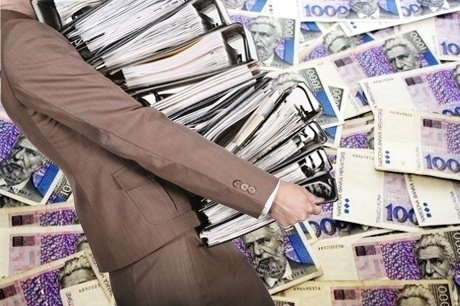
If we set aside the potholes on the roads and the theft from the Ministry of the Interior’s headquarters, the topic that has definitely dominated the media and economic space lately is public procurement.
The reason for this is not the awakened awareness and conscience of the public and private sectors but the fact that we have only ten days left to adopt a new Public Procurement Act (the draft of which is still not finished). We are obliged to incorporate new EU directives into it by April 18, which were published in the Official Journal of the European Union on March 28, 2014.
Minister of Economy Tomislav Panenić publicly stated that public procurement is the most important segment in his department, HUP and HGK quickly organized conferences on this topic with one day apart, however, none of this can hide the fact that we are late. And this will not change if we talk about it more loudly. And there has been a lot of talk about various things in recent days.
HUP presented data that the annual value of public procurement in Croatia amounts to 42 billion kuna (12 percent of GDP) and that 10 percent of that amount goes to corruption. This means someone calculated that 4.2 billion kuna was “laundered” and “stolen” by someone else. If they knew how to calculate it, why didn’t they immediately say who? In the end, until now, no one in Croatia has been criminally responsible for rigging public tenders. It seems much more likely that this figure was thrown out by some statistician with a superficial estimate, and we know that statistically anything can be calculated and manipulated.
Businesspeople and politicians are happy that the new Act will increase the possibility of engaging Croatian producers and smaller entrepreneurs in tenders (although this should not be written anywhere in the Act). Absolutely no one has prevented clients from engaging Croatian suppliers until now. Yes, some countries have found models to circumvent European rules and protect domestic products, which in itself speaks volumes about the hypocrisy of the system, but there is very little chance that this will work for us. Someone has obviously forgotten that by signing for entry into the European Union, we also signed that we no longer make any decisions about it ourselves. If we have not found a way to resist the import lobby until now, we certainly will not now. After all, there are many segments and categories in public procurement where there is no Croatian version of the imported product.


