
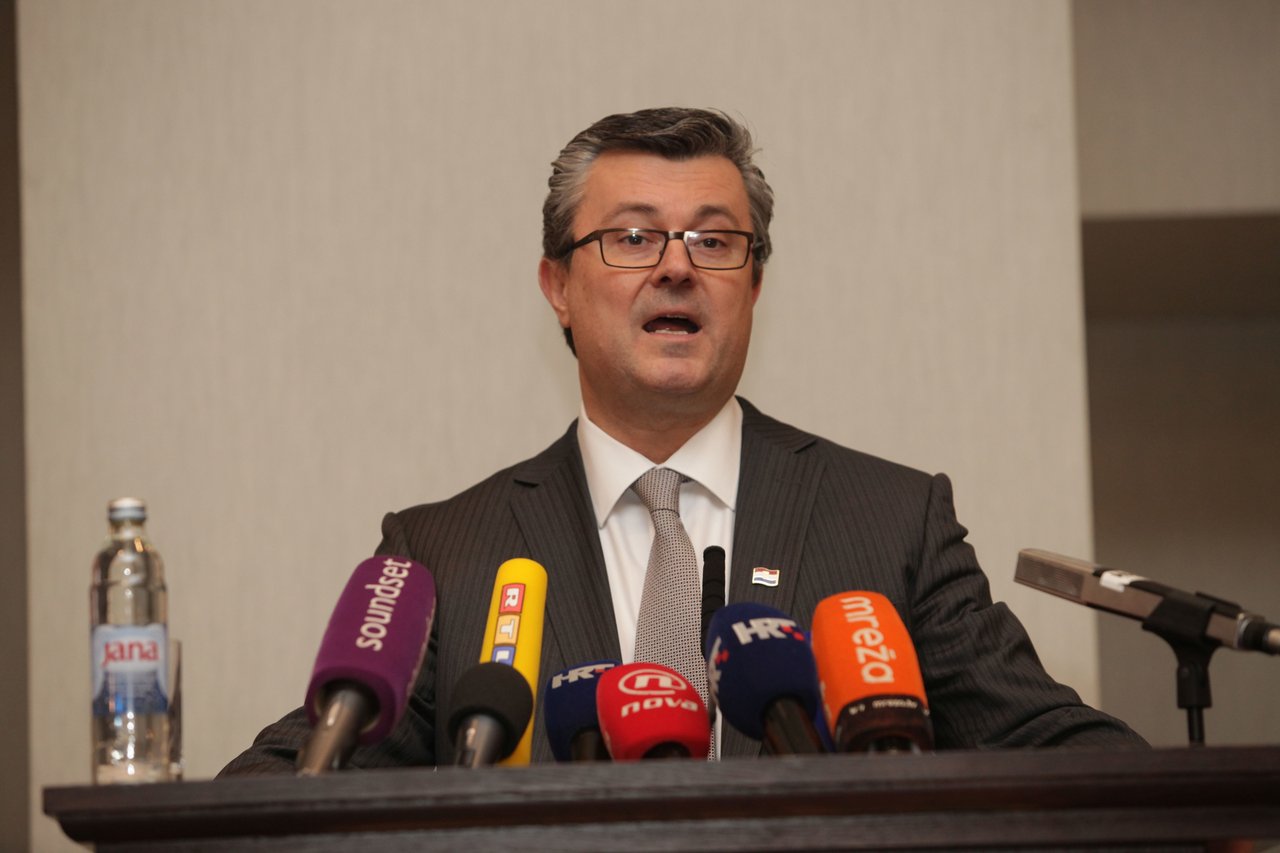
Recently, we had the opportunity to see an interesting performance by Prime Minister Orešković, where he quoted the legendary Steve Jobs to students, telling them: “Stay hungry,” and then translated it into Croatian, saying: “Ostanite gladni.”
Of course, everyone reported this and interpreted it as a somewhat clumsy statement, but with good intentions and a message that Croatian students truly need, as it is the approach they should have. They should always be hungry for new knowledge and new challenges.
However, let us think a little about what governments (including this one) and universities have done to encourage the educational system to progress, thereby showing students by example that they are there for them and inspiring them to take a more proactive approach to education.
So let’s start from the beginning… The University of Zagreb has fallen off the list of the 500 best universities in the world. Many faculties have been plagued by scandals related to bribery, corruption, and nepotism. The connection between universities and the real sector is almost non-existent. Food prices in student cafeterias have doubled in recent years. The price of accommodation in student dormitories at the University of Zagreb has increased. The curricular reform has been halted. And with the new budget, funding for the Ministry of Science, Education, and Sports has been reduced by about 150 million kuna.
But this reduction did not happen only this year. If we look a little further back, the share of expenditure allocated to the Ministry of Science, Education, and Sports in relation to GDP began to decrease back in 2009, and that trend has continued to this day. Even in 2009, the share of funds allocated to the Ministry was only about 3.6% of GDP. However, what is particularly concerning is that this share has decreased in relation to GDP even though GDP has been falling year after year. Therefore, this reduction is more significant than it may seem at first glance. It will be particularly interesting to see this data for this year, considering that we have had GDP growth and a reduction in funding for the Ministry, so the decline in the share of the Ministry’s expenditure in GDP will likely be even faster, probably dropping to around 3%, if not below that. If we look at the Ministry’s expenditure as a share of the budget, its share has already decreased from 9.1% to 7.6% between 2012 and 2014.


