In the Croatian industry, electric motors are mostly induction, which means they cannot control speed and torque. Therefore, energy losses are enormous.
Sustainable development is the main goal of the European Union, which has its roots in the Lisbon Strategy, according to which Europe aims to become the most competitive and dynamic global economy based on knowledge, capable of sustainable economic growth, creating better jobs, and increasing social cohesion.
– These goals have been confirmed in the Union’s Sustainable Development Strategy and the complementary ‘Europe 2020’ strategy, which focuses on low-carbon economy with efficient and sustainable resource utilization, environmental protection, development of new green technologies, and improvement of the business environment.
Other key areas include education, employment, social inclusion, and poverty reduction. Companies play a significant role in achieving sustainable development goals, which the European Union encourages to operate according to sustainability principles, integrating social, environmental, ethical issues, and human rights into their business strategy and daily operations.
Pain Point – Industry
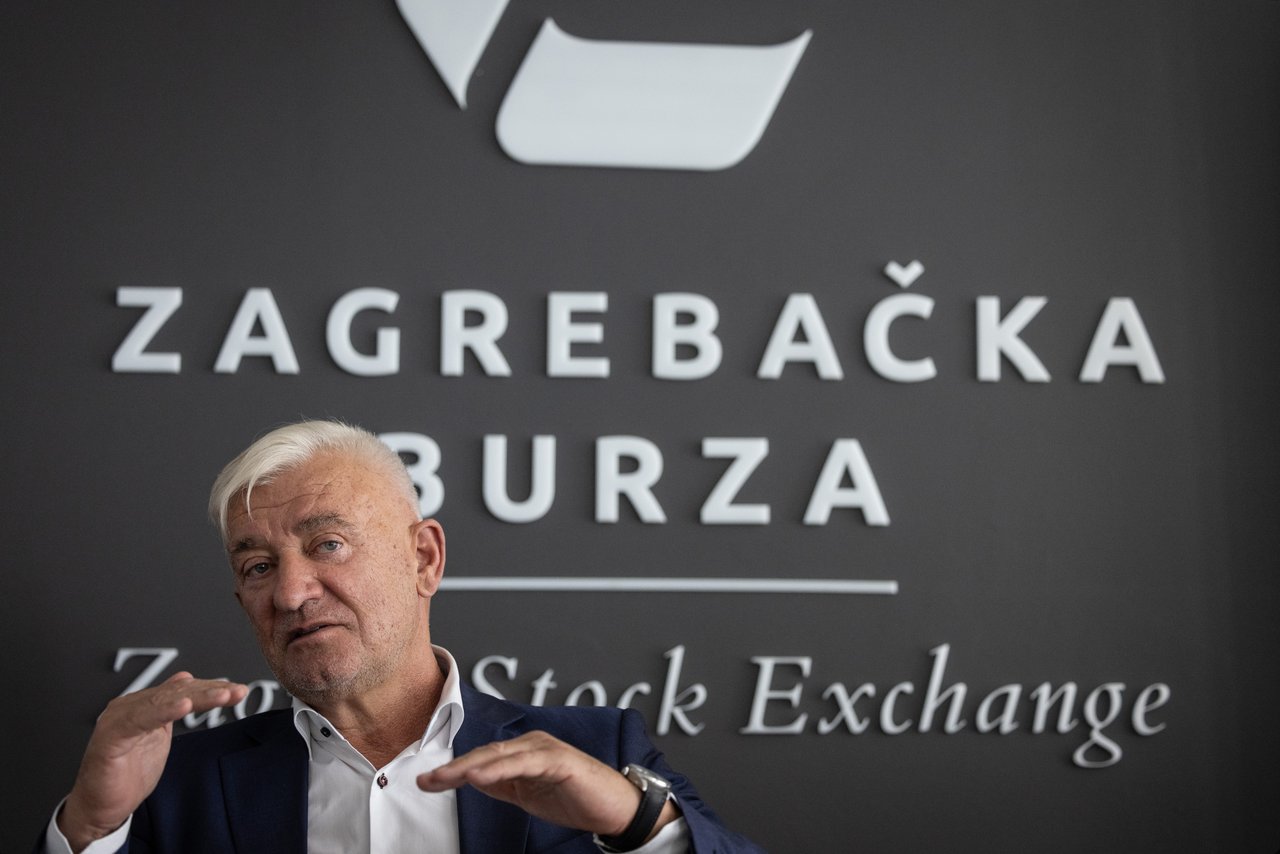
In addition to enabling companies to manage risks more easily, achieve long-term savings, and gain simpler access to capital, sustainable business encourages them to develop innovative products, services, and business models, thus contributing to the creation of a sustainable economy and increasing cohesion in society – explains Ana Smoljo Josić, senior advisor and partner at Hauska&Partner.
These strategies and the belief in better energy efficiency have indeed yielded results. According to the Energy Efficiency Trend Monitor 2015 study at the European Union level, the industrial sector has seen the largest decline in final energy consumption compared to the transport, household, fisheries, and agriculture sectors.
From 2005 to 2012, it reduced energy consumption by 14 percent. Various studies indicate several reasons for such results: strict energy efficiency policies implemented by the EU, economic recession, and new technologies. However, the industrial sector in the EU has significantly increased energy efficiency, by 30 percent from 1990 to 2009. During this period, the most efficient was the chemical industry, which halved its consumption, mechanization, which reduced it by 40 percent, and the steel sector with a 26 percent reduction in consumption. The Energy Efficiency Trend Monitor 2015 study also analyzed countries in our region and obtained interesting results. Bosnia and Herzegovina has the greatest potential for improving the energy efficiency of its industry because the technology is at a very low level, maintenance conditions are poor, and the design is inefficient. Serbia, on the other hand, can save 20 percent of thermal energy. And Croatia? Our greatest potential lies in saving electrical energy. Namely, of the total electricity consumption going to industry, 73 percent is directed towards electric machines and electromechanical drives, and most electric motors used in various industrial plants have significant energy losses.
Energy efficiency is costly and requires investment to ultimately save. In this study, all countries in the region particularly emphasized that optimization costs, or cost reduction, are the main motivation for investing in energy efficiency. In introducing new solutions and technologies, the most important factor, believe it or not – is price. Following that are quality and references. The biggest barriers to investment are the lack of external support and funding sources, as well as the long payback period (ROI).