
This is a project co-financed from EU structural funds with 7.8 million kuna, while the second part of the funds, due to the lack of own accumulation, was obtained through an HBOR loan at a relatively decent interest rate.
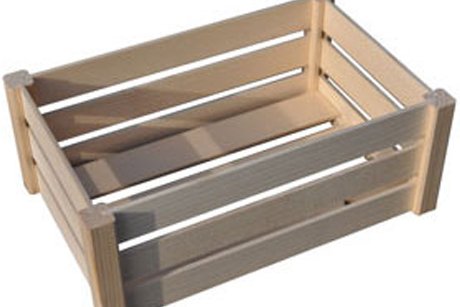
The newly opened facilities for the production of wooden crates for packaging and transporting fruits and vegetables by the company “Smiljanić”, into which 12.9 million kuna has been invested, were visited in Vukovar on Thursday by the Minister of Entrepreneurship and Crafts Darko Horvat, who expressed satisfaction with this entrepreneurial venture whose product has found a place in the Croatian market, with possibilities for placement in the EU market.
– This is a project co-financed from EU structural funds with 7.8 million kuna, and that is the modality, while the second part of the funds, due to the lack of own accumulation, was obtained through an HBOR loan at a relatively decent interest rate, and that is the guideline that should be established, Minister Horvat stated to reporters after touring the facility.
Horvat particularly emphasized the importance of the latest Vukovar entrepreneurial project, which has irreplaceable significance as it is being realized in an area that has been exposed to war devastation, but also because it has been realized with the synergy of investors, local government, and the central state, ensuring communal infrastructure as well as energy and telecommunications infrastructure during the realization of the entire project.
For all the administration around the project, a private printing house is needed.
Entrepreneur Mirko Smiljanić, who invested in the crate production facility, announced that in the near future, 21 workers will be employed in the company who will work in the first shift, and the demand for the product will also open the possibility of starting production in the second shift and additional employment. He added that there is a possibility of expanding the facility to produce pallets and a sawmill, but at this moment he does not want to expose himself to the possibility of over-investment.


