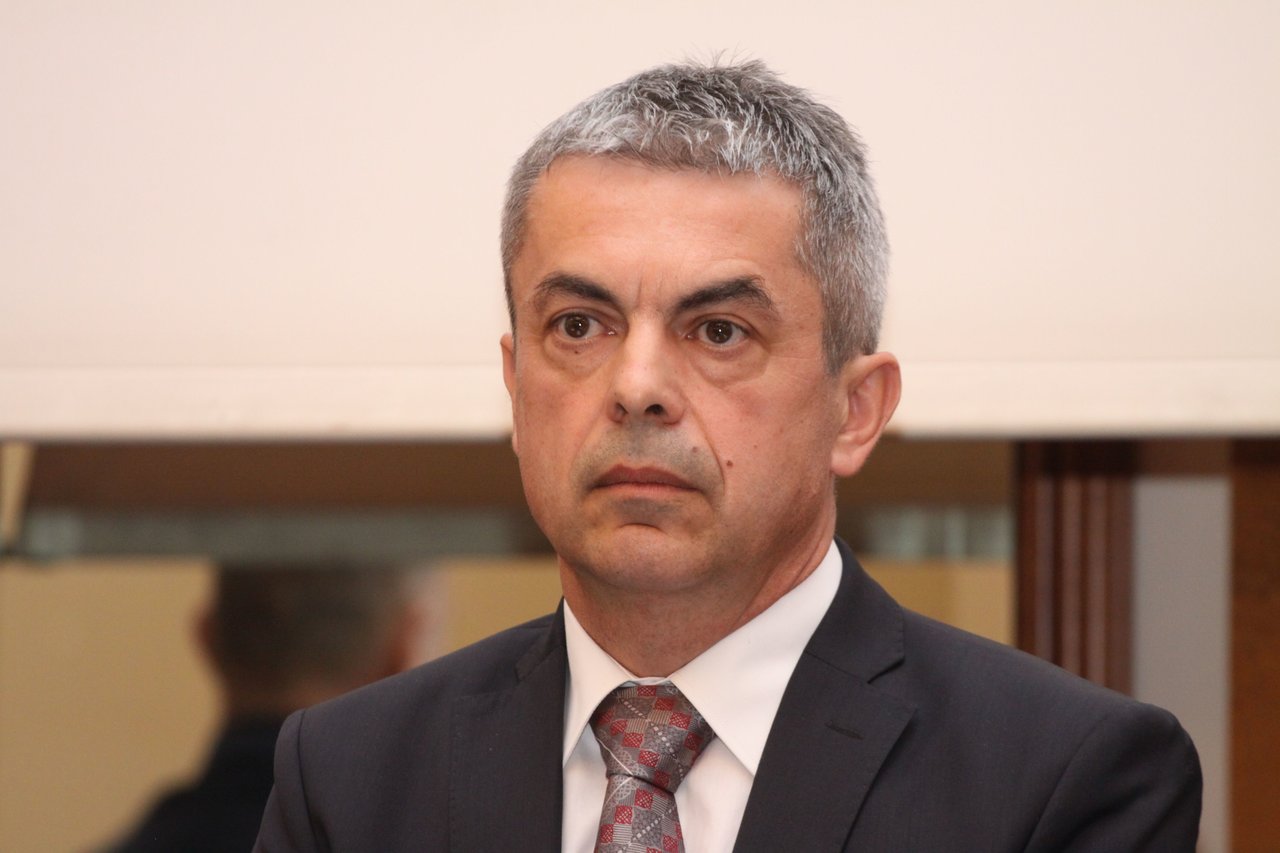
Tomislav Panenić, the Minister of Economy, emphasized in his opening speech that this is the first significant amendment to any law in the mandate of the new Government and that expectations from the Public Procurement Act are high. He also highlighted that the public procurement segment in the entire portfolio he oversees is more important than energy.
It seems this is a week of conferences on public procurement. Yesterday, the Croatian Employers’ Association organized a gathering on the same topic, presenting its proposals for amendments to the Public Procurement Act, and today this role has been taken by the Croatian Chamber of Economy. It is evident that this is a “hot” topic that interests both the public and private sectors, and it is particularly urgent for politicians who must urgently deliver the final proposal of the Law. According to EU directives, we are obliged to adopt the new Law by April 18, which, given the complex subject matter, is a very unrealistic deadline for the Ministry of Economy, which is currently sending requests for proposals for amendments to the Law to all addresses.
At today’s first panel of the HGK titled Public Procurement as a Generator of Economic Growth, representatives from the private and public sectors, the judiciary, and economic institutions participated. From the myriad of topics that were partially opened, a general conclusion could be drawn that the new Law must certainly enable a much larger share of Croatian suppliers (especially small and medium-sized) to participate in public procurement procedures, which would also reflect on economic growth. Representatives of the private sector, Zvonimir Viduka, director of Altpro, and Ivica Vuković, director of Krah, agreed that Croatian producers are in a subordinate position in public procurement procedures and that importers are preferred. Viduka, whose company competes in European and global tenders, pointed out that public procurement is an elastic term even in international tenders, as each country has its own rules.
– In Europe, we win jobs through EU projects, where global technology companies have a significant advantage, and clients do not want to engage Croatian companies. If they do take them, they extort them and demand that we work for the price of procurement materials. We have no major complaints about the existing Law; all laws are similar. The issue lies in who prepares the tenders and decides whether Croatian producers are needed in those procedures – emphasized Viduka.