There is an increasing amount of writing about organizational culture, and the reason for this is very clear. Organizational culture is directly linked to the results that the organization achieves.
So far, I have written about how organizational culture produces organizational results and what the most common mistakes management makes in trying to improve those results and what consequences this has on the development of organizational culture.
Therefore, the main starting point of any discussion regarding organizational culture should be the organizational result. For this reason, the first question I usually ask the CEO, GM, or chairman of the board of the organization we are working with on developing organizational culture is: What result is your organization currently achieving and what result must you achieve in the upcoming period? By this, I mean no more than 3-5 clearly defined results that we call “Key Results” that the organization must achieve. This “must” is intentionally emphasized because these are results whose non-achievement cannot and must not be an option in any case.
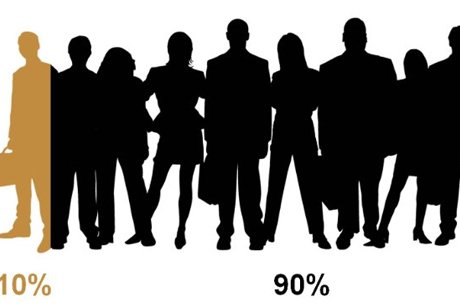
Let us therefore focus on the key results. The leader of the organization can usually state these results without hesitation; however, the real challenge arises when we pose the same question to other board members or the main directors of individual sectors. You can probably guess, in most cases, the more people we ask, the more different answers we receive. Our experiences in Croatia align with research conducted by our organization on a global level – in nine out of ten organizations, senior management cannot clearly agree on the Key Results that the organization must achieve. The research was conducted by Partners in Leadership from 2012-2014, with a sample of 40,000 respondents.
To begin the development of a culture of proactive responsibility, i.e., the development of a results-oriented culture, a necessary first step is to clearly define 3-5 key organizational results and communicate them clearly throughout the organization from top to bottom, starting from the CEO down to the front-line staff. If we fail to do this, we create ideal conditions for the development of a Culture of Doing Work, one of the main characteristics of which is working in silos.