The cost of doubling the share of renewable sources by 2030 would be $290 billion annually, while the annual net savings from reduced pollution and the impact of harmful emissions on human health and agriculture would be between $1.2 trillion and $4.2 trillion.
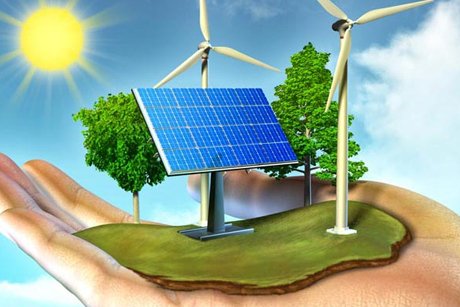
Doubling the share of renewable energy globally to 36% by 2030 could save the world economy up to $4.2 trillion annually, according to research by the International Renewable Energy Agency (IRENA).
Renewable sources, such as wind and solar, accounted for about 18% of global energy consumption in 2014. According to existing national policies, the share of renewable sources is expected to increase to 21% by 2030.
Doubling the current share would help achieve the global goal of limiting the increase in average global temperature to 2 degrees Celsius above pre-industrial levels, which was agreed upon at last year’s summit in Paris.
In IRENA’s report, an intergovernmental organization focused on realizing the potential of renewable energy sources, it is stated that the cost of doubling the share of renewable sources by 2030 would be $290 billion annually, while the annual net savings from reduced pollution and the impact of harmful emissions on human health and agriculture would be between $1.2 trillion and $4.2 trillion.
– Achieving the doubling is not only feasible but also cheaper than not doing it. It will create more jobs, save millions of lives by reducing air pollution, and pave the way for limiting global temperature rise to two degrees as agreed in Paris, stated IRENA Director-General Adnan Amin in a statement.
Meanwhile, the European Environment Agency has reported that the share of renewable energy in the European Union increased in 2014 to 15.2%, up from 15% in 2013, according to preliminary data for 2014.