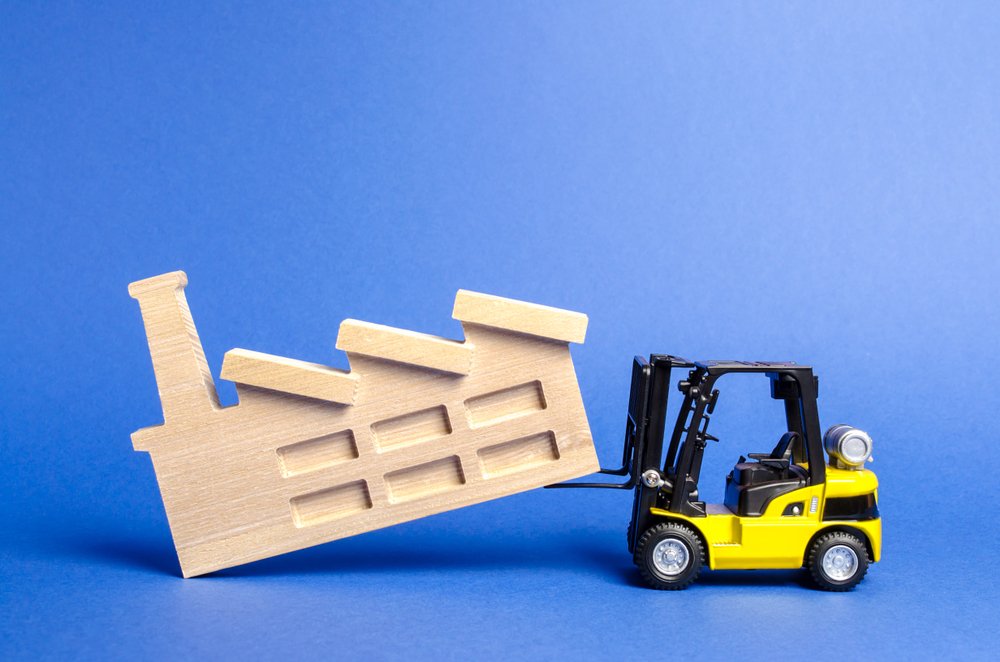
Analyses show that only withdrawal, i.e. ‘retirement’ with the write-off of assets from their life cycle can create more than 10 percent of total costs, but by activating through ‘asset’ management, costs can be reduced by up to 30 percent in the first few years and an additional five to ten percent per year over the next five years.
This is claimed by Berislav Lastrić, the Technical Director of the System Support and Integration Sector at Combis, and we could say something similar for ‘facility’ management. If we mention it in conversation, the most common response in Croatia will be that it refers to cleaning and hospitality. Besides that term, there is also ‘asset’ management, and business people engaged in such management are called asset managers. Unlike us, in the world where this profession is recognized, these managers are a key factor in the success of a company’s business.
Basic Tasks
Dr. Ljiljana Katičić, President of the Croatian Institute of Directors (CID), says that this interdisciplinary title and profession have not been given importance, and even the scientific sector does not feel the need to educate managers for this title and profession. She is very dedicated to this title and explains the difference between ‘facility‘ and ‘asset’ management. For ‘facility’, she will say that in it, the manager manages assets that are not in the function of the core activity. Their primary task is to establish a register of assets with clear ownership, cadastral, and land registry documents and align it with the balance sheet in the business books. It involves technical and hygienic maintenance of assets that are not in the function of the core activity, such as managing a vehicle fleet, hospitality, ICT support, librarianship, and technical and business documentation – archiving.
– An ‘asset’ manager, on the other hand, manages assets that are in the function of the core activity, such as industrial plants, wells, pipelines, rail, maritime, and air transport, highways, etc. It involves capital investments and cost management and their impact on productivity and profitability of the business. Such a function is necessary regardless of whether it concerns state, industrial companies, hospitals, public authorities, retail locations, management of state property, etc. – says Katičić.
The importance of asset managers is perhaps best illustrated by the fact that they are among the most important people in the company and are a key factor in business success because they take care of physical assets, their procurement and selection, investments, technology, maintenance, and renewal of physical assets, as well as oversight of them. Katičić claims that it is a highly sophisticated title and profession because it encompasses a wide range of knowledge, from engineering, economics, law to organizational design. The effectiveness of this type of management is a component of the holy trinity of business, which are operational, business, and strategic plans, which depend on the effectiveness of these managers, as shown by global experiences.
Fatal Neglect
In transitional countries, including Croatia, there are particularly significant challenges facing these two managements. There is no good practice in managing state and local property, the registers of physical assets (physical balance of assets) are not organized, and that property is not aligned with land and business books – the cadastre and land registry. This is one of the tasks of the ‘facility’ manager in the organization. Even if attention were paid to the appointment of such managers in state companies, the problem lies in the lack of an institutional framework for asset management. This is one of the key obstacles to attracting direct foreign investments in most transitional countries.
– In the Croatian case, this problem is even more pronounced because in the state’s balance sheet we have above-average national wealth in physical assets compared to financial ones. Only with a well-defined institutional framework for attracting investments, clean land registries and ownership relations, and organized registers of physical assets will the asset manager contribute to improving efficiency through the use of physical assets. Infrastructure fees and costs for inefficient use of assets and so-called dead capital are always too high and a significant expense for the state and organizations regardless of who manages it. The absence of that organizational structure or its shortcomings in an organization where physical assets make up a large share of the balance sheets can have negative economic consequences and is crucial from the perspective of ecology, health, and other safety in the execution of business operations – says Katičić.