
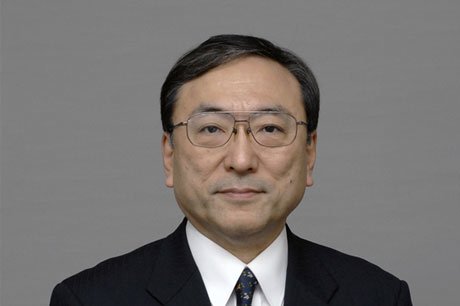
Keiji Ide, the Ambassador of Japan to Croatia, delivered a lecture on Japanese-Croatian economic relations at the European House. He briefly introduced Japan and the Japanese economy, reflecting on their development during the period known as Abenomics.
– Japan is currently the third-largest economy in the world, and like everyone else, we strive to attract foreign investments by reducing corporate taxes – said the exceptionally amiable Ide, who then focused more closely on the analysis of Croatian-Japanese economic cooperation. Almost 70 percent of our exports to Japan consist of tuna, with over 2000 tons of this prized fish exported annually. He recalled the recently held ‘Tuna, sushi & wine festival’ in Zadar, where he had a great time, emphasizing that it is not just about fun but also serious business that can help develop winter tourism.
The second most important branch of our cooperation with Japan is tourism, with around 50,000 Japanese visiting Croatia each year, and Ide’s proposal is to train more tourist guides who speak Japanese. He considers this a bottleneck that hinders tourism because many Japanese have money and love to travel, but speak English poorly.
– I proposed this to the Ministry of Tourism, the problem is that according to your laws, non-EU citizens cannot be tourist guides, so many people from mixed Croatian-Japanese marriages who speak both languages well cannot work in tourism – said Ide, adding that he advocated for a change in these regulations, but does not know what stage the amendment of the controversial law is in.
He emphasized that many Croats work for Japanese shipping companies, around 700 to 800 officers and captains, and that they are highly valued sailors, especially for LNG ships.
– Recently, Croats are increasingly competing with workers from Romania because they are much cheaper labor, and companies in crisis are looking for ways to save – he said. As an example of one of the Japanese investments in the manufacturing sector in Croatia, he highlighted the Yazaki development center in Zagreb, their production of automotive parts. Here, most of the work is done on design, while factories and production are in Romania and Portugal due to cost rationalization.


