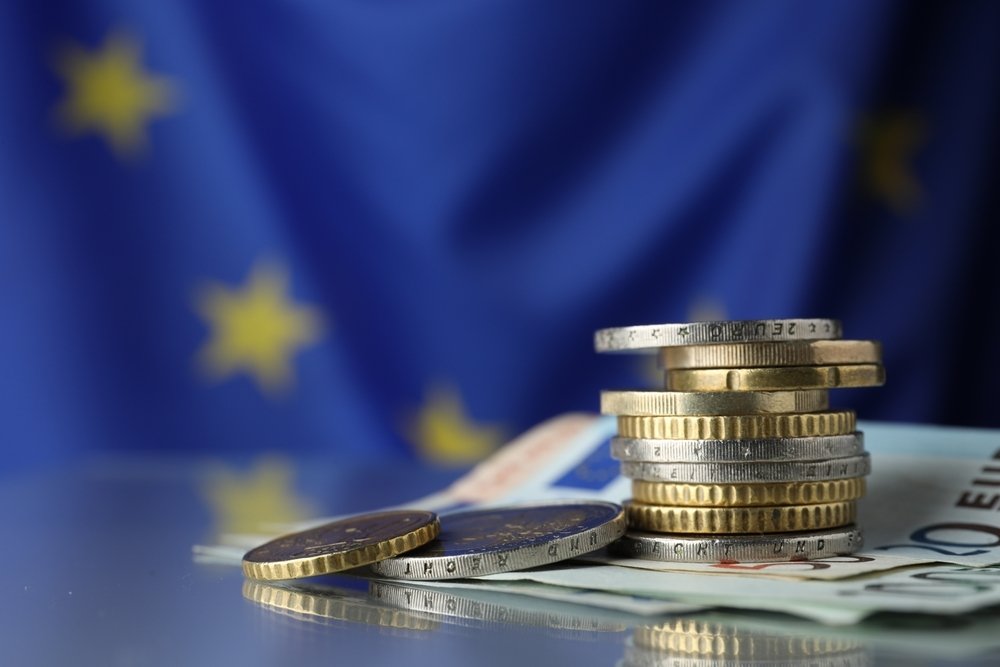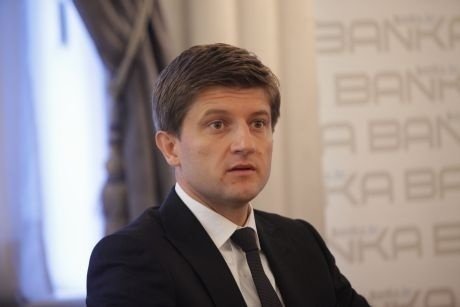
Finance Minister Zdravko Marić stated on Wednesday that it is difficult to speculate on the timelines and frameworks within which Croatia could introduce the euro.
Marić made this statement to reporters in the Parliament, responding to a question about the realism of Prime Minister Tihomir Orešković’s announcement that Croatia could introduce the euro in just four years.
“By signing and joining the European Union, we also took on the obligation to introduce the euro when the criteria for that are met. What you have seen from the Government’s program, along with economic growth and employment, is a focus on consolidating the budget deficit and stabilizing, or reducing, public debt. These are precisely the two criteria that we do not meet at this moment. In that context, the Prime Minister’s statement was made. As for the timelines and frameworks themselves, it is difficult to speculate on that today. We have a lot to fulfill ahead of us, not only the Maastricht criteria but also to achieve the goal, which is stabilization and reduction of public debt,” said Marić.
He added that Croatia can think about introducing the euro after it meets those conditions and reminded that this is preceded by the so-called exchange rate mechanism, which requires a procedure lasting about two years. “In that context, the entire time horizon ahead of us should be considered,” Marić added.
When asked if this means that Croatia’s entry into the eurozone in 2020 is unrealistic, he replied that it is difficult to comment on whether that is realistic or not.
“So, certainly not before 2020. This means that we can start talking about the period after that,” said Marić.