It would be nice, quality, simpler, and even cheaper to live in an intelligent environment. For example, having an application that shows monthly and annual consumption of water, gas, or electricity, compares, analyzes, and forecasts.
Or a program that controls public lighting so that an early morning runner can turn lights on and off only in the streets they run in. This is not the future, although it may sound like part of a ‘Star Trek’ scenario to some – it is already the present. This will also be demonstrated at Lider’s second conference ‘Smart Cities: smart cities – the future starts now’ which will be held on March 17 at the Small Hall of Lisinski in Zagreb.
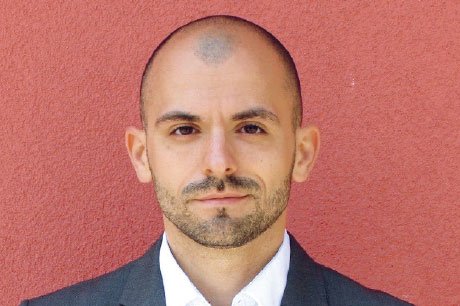
In the past, cities used the setting ‘more, faster, better’ for their development, but today, experts tell us, it is more aligned with the challenges of modern times such as urbanization, industrialization, and digitalization, and it reads: ‘Not more, faster, better, but smarter.’ Today, therefore, the goal of the city is to evolve and become smart, to squeeze into the 88 out of 4,400 cities worldwide that are predicted to become smart by 2025. At Lider’s ‘Smart Cities’ conference, among others, Renato Gherghinescu from the Smart City Wien agency will speak. He is responsible for the Smart City ICT sector and is in charge of online communication and social media for Smart City Wien. He believes that a smart city should provide a framework and solutions for a high quality of life and well-being for its citizens. Smart City Wien involves citizens in decision-making and encourages collaboration to ensure a high quality of life for all citizens and future generations.