The company with a very rich historical narrative (especially those related to transition and transformation) is today in majority state ownership (68 percent) and simultaneously in a delicate business situation as its business results over the past six years have been very poor – until last year, when Badel 1862 finally made a profit.
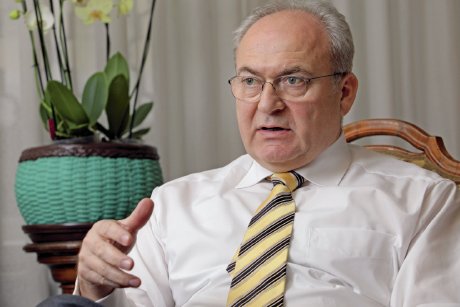
In circumstances where all of the company’s assets are pledged and the equity is negative, Badel’s current value lies in its market share, brands, knowledge, and experience. According to Prime Minister Orešković’s announcements that the state must divest from companies that are not in strategic interest, it can be expected that this will be a year of bitter wormwood for Badel, in which the state will finally have to make some decisions. Otherwise, without a serious transformation of business processes, the company will not get far. This is also hoped for by Ivo Markotić, the company’s leader who took this position in mid-2013, ‘from the third’ (having previously declined the offer twice). This financier was initially quite reserved during the conversation as he had not given any interviews to the media until now, believing it was better for the company, but later relaxed and explained to us what needs to happen in the company for him to taste the almost synonymous Badel – Pelinkovac.
• Where has the pre-bankruptcy settlement stalled and how much does the interruption of the process hinder your further development and finding a strategic partner or new owner?
– Badel entered pre-bankruptcy settlement in 2013 due to excessive accumulated liabilities and illiquidity. On 700 million kuna of assets, liabilities of 600 million kuna were created, meaning 85 percent of the balance sheet was liabilities. Concurrently with the opening of the settlement, the Tax Administration conducted a tax audit and initiated administrative proceedings against the former management, issuing a decision to terminate the pre-bankruptcy settlement. This decision has been in effect to this day, which creates significant problems for us, and Badel is today a prisoner of that process. We expect the Tax Administration to issue a second-instance decision so we can move forward.