The existing waste management concept in Croatia needs to be improved to align with the latest EU guidelines. It is clear that waste is being handled in an uncivilized manner, and Međimurje County and Prelog demonstrate how it is possible to build a sustainable waste management system, and their example should be followed by a larger part of Croatia. Because there are solutions for collected and processed waste to remain in the value-added zone.
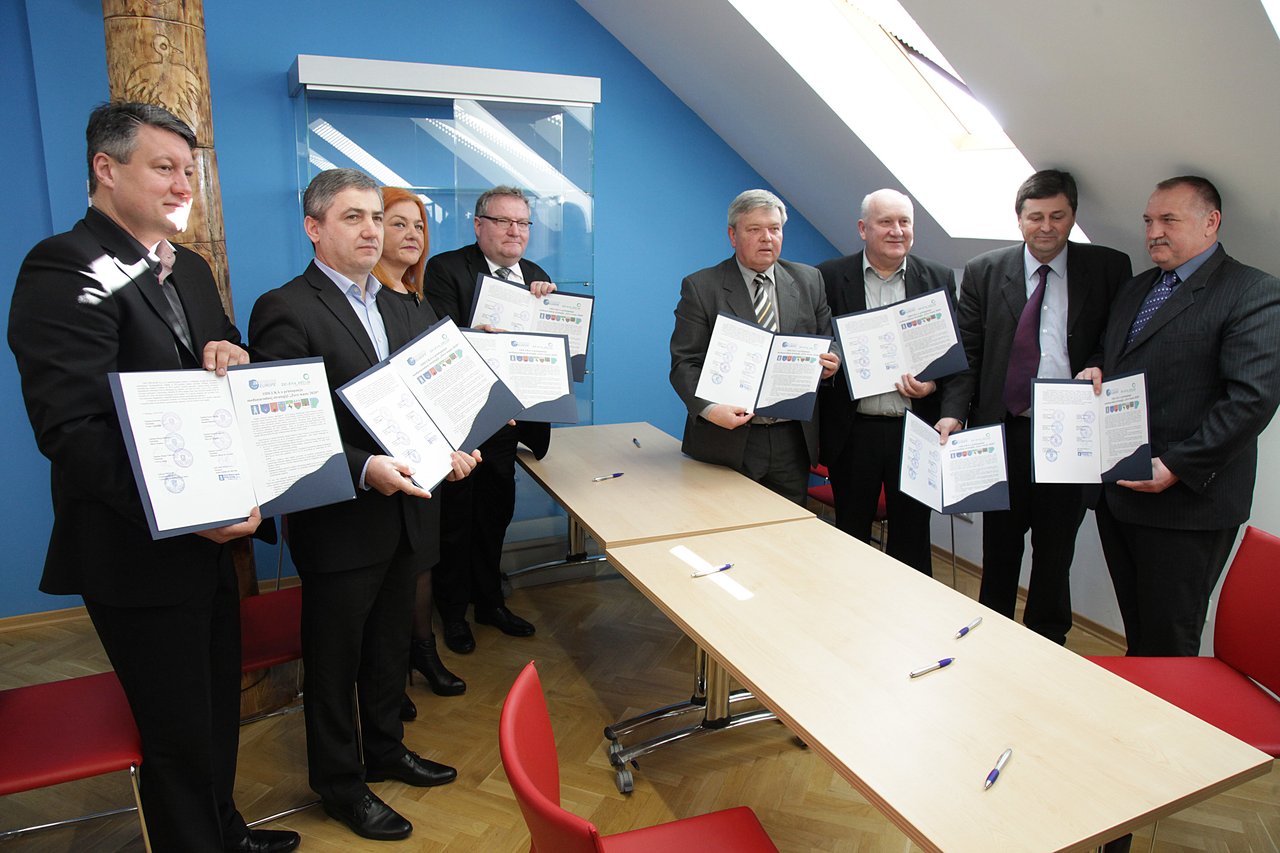
This was emphasized by the Minister of Environment and Nature Protection, Slaven Dobrović, at the signing of the decision for seven cities and municipalities in Međimurje County to join the international Zero Waste 2020 strategy, highlighting that the problem is significant and must be addressed collectively, at a table where everyone has access with their proposals. The decision was signed by representatives of the City of Prelog and the municipalities of Goričan, Donji Kraljevec, Sveta Marija, Donji Vidovec, Donja Dubrava, and Kotoriba, as well as the representative of the Zero Waste Europe network, Bernard Ivčić from Green Action.
“Međimurje and Prelog have shown that significant results in waste management can be achieved in a relatively short time. Waste management is also an indicator of the level of societal development. Associations can and are very good partners to local self-government units and authorities. I hope that other municipalities will follow this positive example,” said Ivčić.
Similarly, the Mayor of Prelog, Ljubomir Kolarek, emphasized in his brief address that the area of Lower Međimurje separately collects more than 60 percent of useful waste, and their goal is to reduce the amount of disposed waste from the current 98 kilograms per capita per year to 50 kilograms per capita annually by 2020.
Moreover, as noted by County Prefect Matija Posavec, Međimurje has been recognized in recent years as a leader in waste management. This is supported by investments from the state and the Fund in municipal vehicles, bins, as well as assistance in the construction of composting facilities and sorting plants.
After the signing, the minister, accompanied by the County Prefect of Međimurje, the Mayor of Prelog, the director of the municipal company GPK PRE-KOM, Siniša Radiković, and the director of Tehnix, Đuro Horvat, visited the composting facility, sorting plant, and recycling yard. They also visited low-energy houses in Čehovec, presented by the director of the company Domet, Branko Erent.