Thanks to the strengthening of consumption, exports, and investments, macroeconomists estimate that the Croatian economy grew by more than 2 percent in the fourth quarter of last year, albeit at a slower pace than in the previous quarter.
The State Bureau of Statistics will publish the first estimate of gross domestic product for the fourth quarter of 2015 at the end of the week, and eight macroeconomists who participated in a Hina survey estimate on average that the economy grew by 2.1 percent compared to the same period of the previous year. Their growth estimates range from 1.8 to 2.6 percent.
This would mark the fifth consecutive quarter of GDP growth, but slower than in the previous quarter when the economy jumped by 2.8 percent year-on-year, the highest since the second quarter of the pre-recession 2008.
Tax Changes Stimulated Wage and Consumption Growth
Macroeconomists state that the growth of the economy is, among other things, due to the strengthening of personal consumption, the largest component of GDP. This is indicated by the rise in retail trade for 17 consecutive months, which has not been recorded since 2007. In the fourth quarter, retail sales increased by 3.2 percent compared to the same period of the previous year, marking its fastest growth since the third quarter of 2007.
– The rise in consumer sentiment and confidence indices is confirmed by data on the continued growth of retail trade in the last quarter, indicating that personal consumption could positively contribute to recovery for the fourth consecutive quarter, notes one of the macroeconomists.
He emphasizes that the growth in consumption is, among other things, due to tax changes at the beginning of 2015, which stimulated wage growth.
According to DZS data, in the first 11 months of last year, the average net monthly salary in legal entities was 5,705 kuna, which is a real increase of 3.9 percent compared to the same period in 2014.
– In addition to the relief of personal income achieved through tax changes and the absence of inflationary pressures, the growth in retail sales is certainly also a result of the extended tourist season, the cessation of negative trends in the labor market, and increased expectations.
Exports Are Growing Faster Than Imports
The growth of exports is also positively impacting the economy. According to DZS data, Croatia exported goods worth 87.6 billion kuna in 2015, which is 10.7 percent more than in 2014. This is primarily due to the growth of the European Union economy, Croatia’s largest foreign trade partner. At the same time, imports increased by 7 percent, reaching around 140 billion kuna.
– We expect a positive contribution from net exports to GDP, but probably not as strong as it was in the third quarter, the survey states.
Continuation of Investment Growth Expected
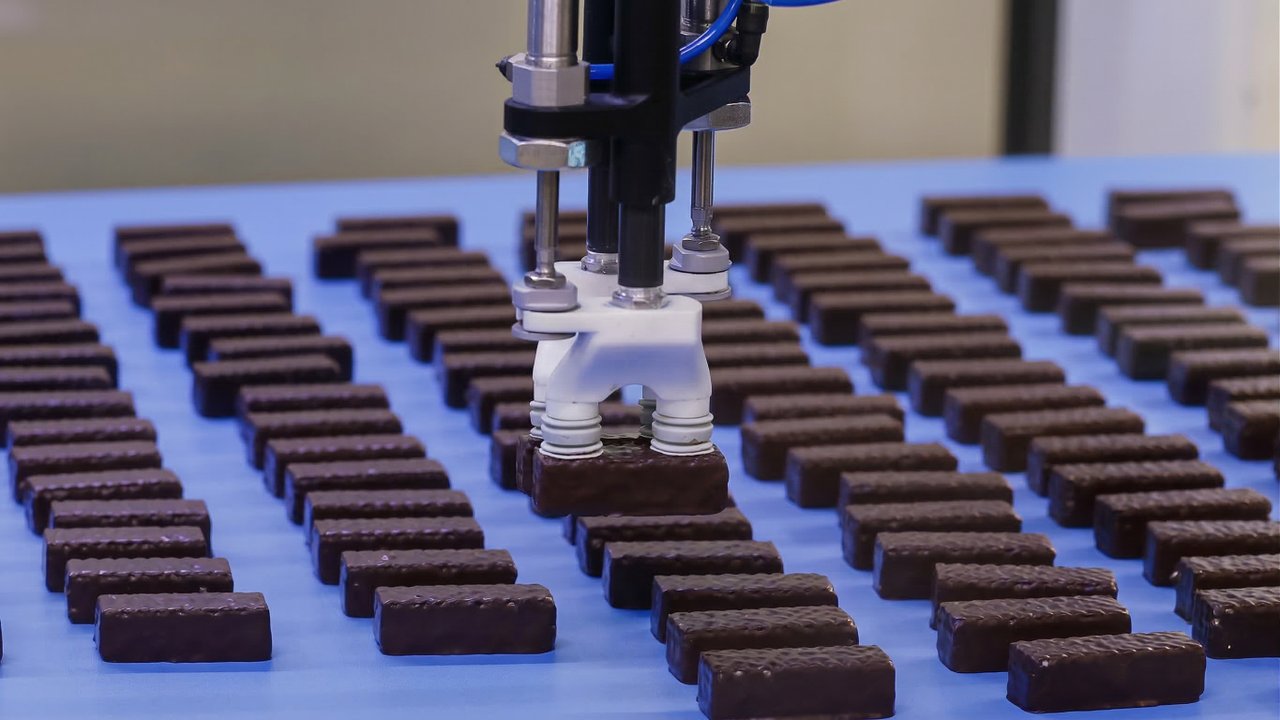
The strengthening of industrial production, which has been continuously growing for 11 consecutive months, should also positively impact GDP, marking the longest growth streak since 2007. In the fourth quarter, production increased by 3.3 percent compared to the same quarter of the previous year. Most macroeconomists expect continued growth in gross investments in fixed capital, which rose by 2.2 percent year-on-year in the third quarter of last year, for the second consecutive quarter.