
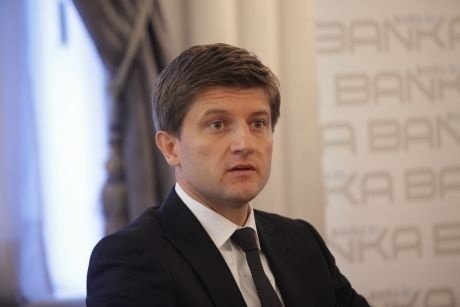
Finance Minister Zdravko Marić stated on Thursday that the press releases from the Tax Administration (PU) and letters sent to pensioners regarding the taxation of foreign pensions are in accordance with EU regulations and the law from 2012, and that the PU is transparent and open to communication on this matter.
– As early as 2012, a law related to the taxation of pensions was adopted, said Minister Marić after the Government session, adding that EU member states exchange data on transfers, but not on individual pensions, so in this case, Croatian citizens are only invited to regulate their tax status.
– The Tax Administration is trying to do this in a transparent manner, through press releases. It will certainly be guided by certain principles, including opportunity. It is not the intention to scare anyone, but to ensure everything is in line with EU directives and laws, and ultimately to have open and transparent communication, said Marić in response to a journalist’s question after the Government session.
Member of Parliament from HSU Silvano Hrelja criticized the Tax Administration on Wednesday for causing considerable confusion and panic with letters sent about 15 days ago to the addresses of more than 200,000 pensioners receiving pensions from abroad, requesting that they regulate their tax status within eight days, otherwise they could face fines ranging from two thousand to fifty thousand kuna.
Since March 1, 2012, with amendments to the Income Tax Act, income tax from employment is calculated and paid on pensions of residents received directly from abroad, unless otherwise specified by double taxation avoidance agreements or other interstate agreements.


