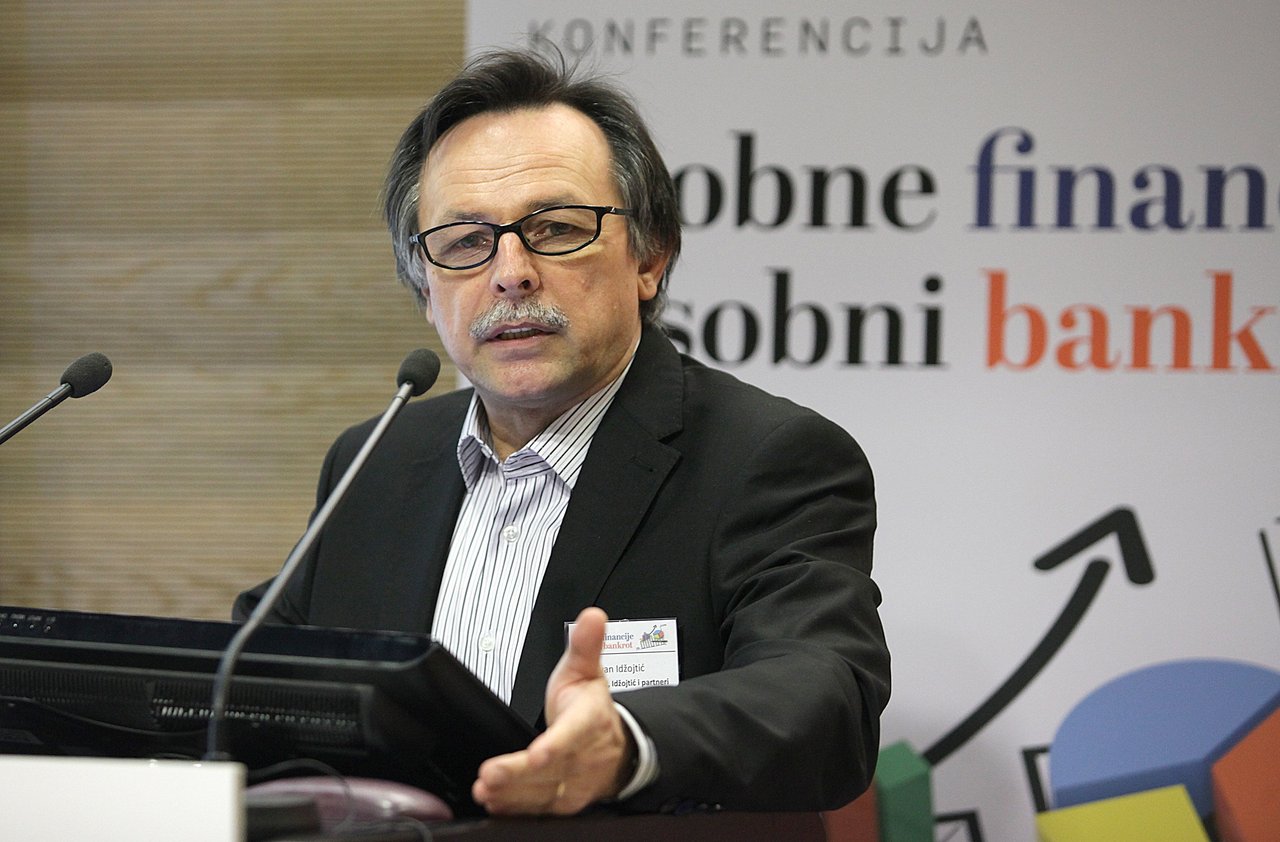
The conference ‘Personal Finance and Personal Bankruptcy’ continued with a lecture by certified tax advisor Ivan Idžojtić titled ‘Tax and Financial Implications of the Consumer Bankruptcy Act’.
The text of the law emphasizes that its goal is to free the honest consumer from obligations that remain after the liquidation of their assets and the distribution of collected funds to creditors. He identified three fundamental groups of financial effects: the financial effect of asset reduction, the effect of liability reduction, and the effect of release from remaining obligations, noting that financial effects can be positive or negative and can be either temporary or permanent.
– Tax effects are generally unfavorable for the consumer, except in exceptional cases when part of the debt is forgiven, and they arise through tax obligations and reduced tax assets. They depend on the tax base and rate, the time of occurrence, and the time of collection – he stated, explaining the position of consumers and creditors during the three phases of bankruptcy: before the process begins, during its duration, and after its conclusion, detailing each part of the process and the specificities related to them.
He emphasized that all assets acquired up to the conclusion of the bankruptcy proceedings are considered part of the bankruptcy estate, including marital property. He elaborated on the situations in which consumers and creditors find themselves in different scenarios of asset and debt relationships and emphasized that there are precise provisions for bankruptcy trustees – they must dispose of assets at the highest possible price, but they must also protect the dignity and home of the consumer.
In conclusion, he stated that the financial position of creditors after consumer bankruptcy can be more favorable in three cases: if the part of the claim collected in bankruptcy is greater than the discounted value of that same amount that would have been collected outside of bankruptcy, if the part of the claim that was not collected in bankruptcy would not have been collected otherwise, and if what was collected is taxable, while what was uncollected is non-taxable.
Šime Ivanjko from the Faculty of Law in Maribor addressed the challenges and problems of implementing the Personal Bankruptcy Act from an international perspective in his presentation. He immediately explained what the goal and vision of the Slovenian law was, which aimed to equalize the interests of debtors and creditors.