
RWE Energija, the second largest electricity supplier in Croatia with over 105 thousand household users, warns that HEP is attempting to prevent direct electricity sales to other suppliers, thereby halting the development of a free electricity market. In fact, HEP has, in recent months, repeatedly warned citizens through announcements and advertisements in the media about “unfair and misleading sales methods of certain market suppliers.”
HEP, in its media statements, presents a series of unsubstantiated accusations against „certain market suppliers“, without providing specific data on who these suppliers or their sales representatives are that allegedly committed unfair and misleading actions to deceive citizens.
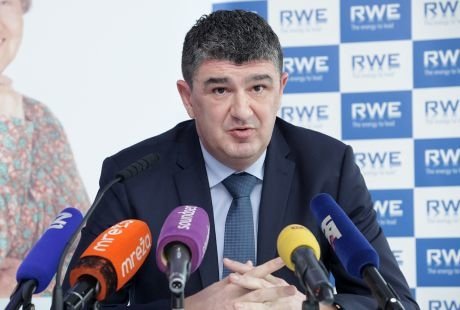
„The publication of such blanket warnings can only be interpreted as an unfair attempt to obstruct market competition and deny customers the right to choose their electricity supplier,“ stated Zoran Miliša, CEO of RWE Energija. „HEP has declared direct electricity sales illegal through its announcements, contrary to applicable legal regulations, by creating an atmosphere in which customers fear entering into contracts through direct sales. By doing so, HEP prevents the operation of suppliers who use the direct sales channel. Given that the majority of electricity customers have changed suppliers precisely by entering into contracts with our sales representatives in their own homes, HEP is actually trying to destroy the free electricity market by attempting to put a completely legal sales method outside the law.“
RWE Energija notes that direct sales are a legal and common form of sales in most European countries, including Croatia, and that the possibility of deceiving customers due to clear legal regulations and strict internal procedures has been minimized.
Therefore, RWE considers HEP’s practice of sending warnings to the public as an abuse of its dominant position under the Competition Protection Act, unfair business practice under the Trade Act and Consumer Protection Act, and misleading advertising under the Prohibition of Misleading Advertising Act.


