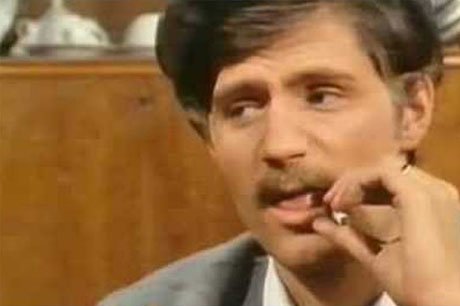
I am a big fan of Vrdoljak’s series ‘Beggars and Sons’. In Saturday’s episode, the now-adult Matan buys goods worth 130,000 dinars on credit from the Jew Solomon. Matan swears to him on his already proven honesty because he has returned money before, but Solomon demands Matan’s estate as collateral, which is worth exactly that much. The cunning Matan is surprised how he knows about the estate, and old Solomon says: ‘Oh my Matan, I check three times who I am doing business with.’
In my Bosnia, they would say about that scene: ‘You won’t outsmart the Jew, even if his name is Matan!’ The next day, on Sunday, I had a master named Zdravko who, together with another partner, has a construction company. Before that, he had a company with another partner, but it failed because the partner, he told me, made illogical moves (buying cars through the company, building a house at the company’s expense, and various other things). After that, Zdravko founded another company and took all the workers from the failed one. I was convinced he works well because his workers solved some problems in our building, so I called him to fix the problem of water leaking from the boiler pipe, which regularly happens to me when it rains heavily.
Simply – he trusted him. So, while working, we chatted, and I asked him what was with his former partner from the previous company. He stopped, turned around, and said more pitifully than out of revolt that his former partner took all his savings of 100,000 kuna. How is that, I asked, and he simply said:
− He has now transferred the house, cars, and everything else to his wife, while the debts remain. Since we are jointly liable for obligations, as we signed, and he has no way to pay, I have to – says Zdravko.
I told him I didn’t want to give him advice, but how could he sign such a thing and allow the company to bear his partner’s private expenses. He shrugged and said he simply trusted him, he seemed honest to him, and that was how it was at first. There were even some gestures where his partner helped him out (loaning money, etc.), which further gained Zdravko’s trust. Otherwise, before that, although they knew each other from construction circles, they had no serious contact until his partner proposed to establish a company.