Home / Education and Events / For the media, there is no longer a boundary between digital and real

For the media, there is no longer a boundary between digital and real

The final arrival of Netflix in the domestic market has been met with praise in local media and on social networks. However, the offering in the free ‘trial’ version of this largest global streaming service was criticized, as was the lack of Croatian subtitles, but users were nonetheless delighted that they would be able to legally watch some very popular series and films that had previously been unavailable.

The presence of Netflix, the independent local Pickbox (which has existed for less than a year and is part of the offerings of telecommunications operators), and the HBO on demand service indicates that Croatia is finally embracing digital media trends that have existed in the West for years. Digitalization is slowly but surely maturing on the domestic media scene, which is why advertisers should more than ever monitor what is happening in, let’s call them, developed countries. Trends that have been delayed in Croatia for several years are now almost around the corner. Some of them have been listed in its new edition by the professional magazine Marketing Week, which observes all media events, whether in print, TV, or radio, from the perspective of unavoidable digitalization.

Visual Content Thus, the biggest battle this year will be fought between digital media and television, which will strive to maintain its supremacy in the time users spend consuming its content, and thus in its share of media consumption. The focus will be on the development of digital channels as television owners have concluded that more and more users have become hooked on the main advantage of the internet (they can consume content whenever and however much they want), so they will strive to modernize their offerings and develop digital channels. The challenge will be not only how to attract users but also how to gather quality data so that advertisers can tailor smart campaigns and advertise on these various platforms. Furthermore, the journalists of Marketing Week emphasize that it cannot be said that 2016 will be the year of mobile media, as they have long been integrated into consumers’ lives. Therefore, mobile strategies are no longer discussed as a future trend but as a present reality, and advertisers who have not yet addressed them are significantly lagging behind.
This year, the center of attention for advertisers and media content producers will still be on personalization and the creation of ‘image-based’ content, or, in free translation, content based on visuals. It has been shown that users most often consume such visual content, and they also share it most frequently on social networks. From the leading ‘visual’ platform in the world, Instagram, it is suggested that brands should master storytelling their narrative in images or short video formats. Experts believe that advertisers still do not spend enough money on mobile advertising, although data on content consumption convinces them that they should. For example, in the United Kingdom, 25 percent of total media content is consumed via smartphones, while mobile advertising accounts for only ten percent of total media consumption. To increase consumption, efforts should be made on measuring effectiveness, as even 65 percent of marketers in the mentioned market find it quite difficult to determine what their actual ROI from mobile advertising is.

Inspiration from ‘Offline’ It is expected that the so-called moment marketing will flourish in the media world, or the launch of media (mostly digital) content that is directly related to events in the real world. According to research by WARC and Deloitte, nearly two-thirds of advertisers are willing to spend on such digital campaigns. The most inspiration will be drawn from TV shows, sporting events, and even weather forecasts. Almost a quarter of surveyed marketing managers plan to ‘lean’ on the television campaign of a competing brand (of course, in markets where direct reference is allowed) or react to it. Media such as Facebook (for 73 percent of surveyed brands), Twitter (65 percent), and Instagram (44 percent) are suitable for this type of advertising. Aligning content with popular context is very useful and effective as it attracts the attention of users who are already bombarded with all sorts of information. For moment marketing to truly be effective, and not just attract views, ‘shares’ and ‘likes’, advertisers must constantly keep in mind what context or content they are associating with so that their identity does not get lost in the whole story. Those who decide to invest in other popular digital channels and platforms must also take this into account.

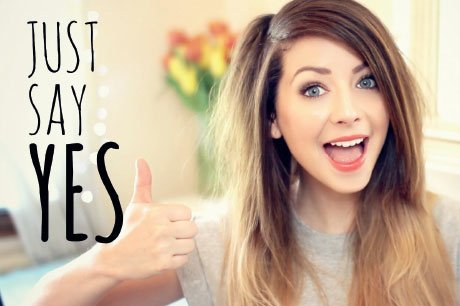
Growth of ‘Influencers’ For this year, growth in the number of users of Tinder, Snapchat, or WhatsApp is still predicted, so more and more advertisers are exploring ways to become part of these digital services without disturbing users, but rather offering some added value. The team from Marketing Week believes it is extremely important for a brand to precisely tailor its communication according to the type of platform, as otherwise, it will cause more harm than good. Perhaps the safest way to approach their target audience is through ‘influencers’, users who have influence in a certain field or among a specific target group and stand out by the number of ‘followers’ or fans. For example, some brands in the fashion, beauty, and lifestyle categories have achieved good results by paying YouTube star Zoella to promote their products.
As Marketing Week writes, brands should ask themselves ‘who is Zoella in our industry’ and based on that conclusion tailor content that ‘resonates’ with users. Collaboration with ‘influencers’ does not have to be limited to promoting a product; brands can create specific products and services or the content itself in collaboration with them. For example, some brands have well sensed the trend of gaming growth and in collaboration with influential bloggers like, specifically, PewDiePie, a YouTube blogger and gamer who has more followers than Canada has residents, created content that will almost certainly attract the interest of that target group. If the mentioned trends are any indication, this year will not only be marked by the adaptation of traditional media to digitalization but will also emphasize content, as well as real, earthly life, whether it is about how the digital world is integrated into real life, real people who have a great influence in the digital world, or real ‘offline’ events and the ways they have been woven through virtual media and platforms.