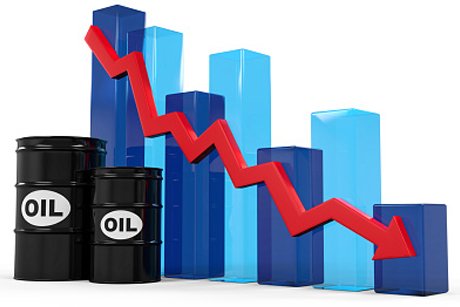
The price of a barrel of crude oil on global markets is the lowest it has been in the last 12 years. This turn of events compared to, for example, 2014, when a barrel cost more than 110 dollars, has pleasantly surprised many, especially final consumers.
However, oil is a commodity whose price primarily depends on the market and the mood of buyers and sellers. Why did oil jump above 100 dollars during the crisis? Because oil, along with gold and the Swiss franc, is a safe haven for investors.
When the capital market collapsed with the failure of one of the world’s most famous investment banks, Lehman Brothers, major global investors were looking for a place to transfer their money to avoid losing it. Oil was the commodity that, due to its role in the global economy, was a logical choice.
If you were an investor with 100 million dollars and you were threatened with losing the money you invested in financial instruments that were actually completely imaginary (for example, CDOs – a collection of imaginary papers based on citizens’ mortgage loans classified into groups depending on creditworthiness), what would you do? You would transfer your money to where it is safe and where it will bring you profit. Oil was precisely that commodity. It even happened that major global players bought oil, filled a tanker, and sent it to wait in international waters until the price of a barrel increased.
When the panic ended, when the financial industry consolidated (to some extent, which still took some time), investors slowly began to leave oil and return their money to the financial market. Thus, the price of a barrel began to fall.
On the other hand, oil is an extremely powerful tool for manipulation, especially geopolitical manipulation. Namely, Russia at one point became too powerful. A price of 100 dollars per barrel brought significant profits to the Russians. By lowering the price of oil, which meant much higher production from the strongest players like Saudi Arabia, too much oil began to flood the market relative to demand, and the law of supply and demand is very simple – when there is too much of a commodity, its price falls.