
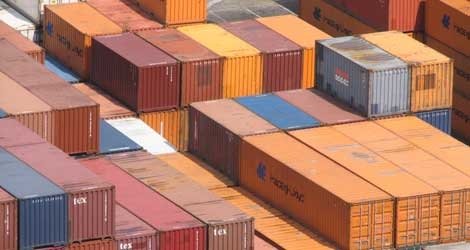
Data on trade exchange with foreign countries shows that negative trends in countries that are our most important trading partners have already strongly reflected on the decline in export activity, according to the regular RBA analysis.
In January, exports fell by as much as 26.5% compared to January 2008, while imports, due to falling prices on global commodity exchanges and a decline in personal consumption in Croatia, fell even more, by 32.2%. This closed the gap in foreign trade exchange by as much as 37%, to ‘only’ 516 million euros. The faster decline in imports than exports also affected the coverage of imports by exports, which stood at 50% in January, and this could positively reflect on the current account of the balance of payments.
At the same time, public debt is rising as a result of increased borrowing by the central government. At the end of October 2008, together with HBOR, it amounted to 135.6 billion kuna, which is almost 8 billion or 6.1% more compared to the same month in 2007.
The slowdown in economic activity has already reflected on budget revenues, and this will, according to the analysis, continue to result in the need for government borrowing in the domestic market through treasury bills and arranging further credit arrangements with domestic banks.



