
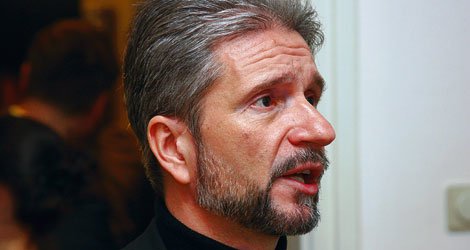
Yesterday’s announcement by Prime Minister Sanader regarding the potential freezing of wages was commented on by leading Croatian union leaders. Krešimir Sever, president of the Independent Croatian Trade Unions, stated that the situation is indeed difficult; however, no decisions or positions have been made by the unions so far.
This union will discuss the matter, but Sever already emphasizes that it is necessary to point out that something must be gained from the government in order to accept such a measure. There are a whole range of other measures, such as price policies that must not be higher, as well as communal services, and there are also signed collective agreements that need to be implemented in the coming year.
– We know that the crisis is entering Croatia, and if it weren’t, we would automatically reject Prime Minister Sanader’s proposal. But we are serious people and want to behave seriously in this serious moment. Therefore, we are ready for discussion, but the government must offer concrete measures so we can see what it will do in other areas if it is already proposing wage freezes. You know, giving up the Christmas bonus is a short-term measure and only for this year, and we must think about how we will fare next year,” said Sever.
His colleague Ozren Matijašević, president of the Croatian Association of Trade Unions, is also aware of the circumstances and believes that no one should be a brake on exiting the crisis, not even the unions. However, for the government to freeze wages, it must simultaneously act on prices, and only then will this union support that initiative. According to union data, Matijašević states, 40 percent of the basket is spent on food, while in Europe that ratio is 15 percent.
– Therefore, the government must also introduce measures to monitor the import of food products alongside this measure, and likewise, after the reduction in energy prices, we see no reason why bread prices remain high. Furthermore, the state and local government must lower unjustifiably high prices for communal services in some areas,” says Matijašević.



