
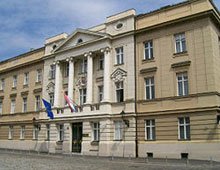
The Croatian Parliament has supported the final proposal of the law on concessions and amendments to the Public Procurement Act, emphasizing the importance of both laws due to the corruption risk associated with obtaining concessions and public procurement contracts.
Finance Minister Ivan Šuker emphasized that the law on concessions establishes order in the process of granting concessions, “an area that has seen quite a bit of disorder,” and protects Croatia’s natural resources. “The ultimate goal of the law is the protection of natural resources, and if someone wants to exploit them, it must be felt in the budget,” the minister stressed, noting that since the establishment of the Concession Register two years ago, revenues have increased by 153 percent.
In response to demands from the SDP for the concession register to be public, Minister Šuker stated that this is not contentious at all as it is regulated by a regulation. The register will be public, available on the Ministry of Finance’s website, but not the amount of the concession, said Šuker. The law on concessions regulates the procedures for granting concessions, termination of concessions, legal protection in the processes of granting and terminating concessions, and other issues related to concessions, Šuker noted, adding that the law regulates the Concession for the Economic Use of Public or Other Goods, the Concession for Public Works, and the Concession for Public Services.
Ingrid Antičević-Marinović (SDP) warned in the discussion that both legislative proposals should be viewed in light of “our determination to take anti-corruption measures,” as both public procurement and concessions, she said, are the most critical economic activities due to the corruption risk. She stated that the state is the largest purchaser and that the potential for corruption is greatest there. “This is also evidenced by the public’s perception of granting and receiving concessions,” the representative emphasizes, stressing that this perception must not be overlooked and that there must be a common political will to combat corruption.



